One executive said the BCRA specifically wanted platforms to discourage customers from converting Tether’s USDT into MEP dollars. The report did not name the operators contacted. A source said the central bank did not ask providers to stop customers from buying or selling foreign currency.
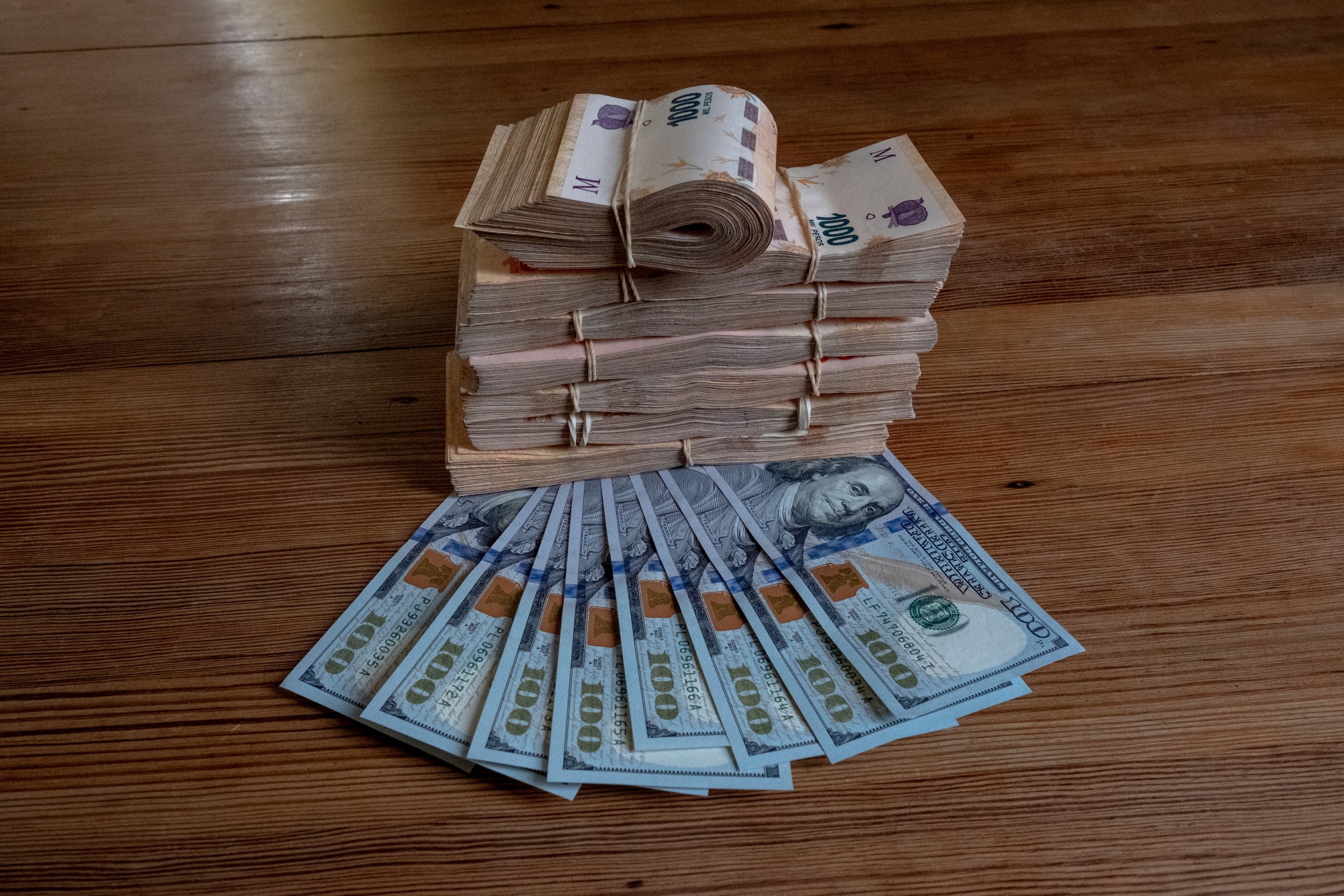
The MEP rate is set through securities trading: a customer buys a bond, such as AL30 or GD30, in pesos and sells its dollar-denominated form. USDT’s “crypto dollar” price, by contrast, reflects what buyers pay in pesos for a dollar-linked token. On Thursday afternoon, USDT averaged 1,760 pesos, compared with 1,663 pesos per dollar for MEP—a difference of 97 pesos, or about 5.8%. The CCL rate was around 1,840 pesos. Crypto platforms use CCL as a reference for quotes, the report said. The average spread between USDT buy and sell quotes was 4%, so the quoted premium over MEP would not necessarily match what a customer could capture in a trade.
Mercado Pago and Cocos can offer MEP dollars, according to the executives’ account. Their ability to offer the official dollar through a partner bank was cut off in 2025, while fintech providers are still waiting for dollar-denominated virtual account numbers. One executive said the BCRA viewed bank accounts as the place for customers to hold dollars as savings or for everyday use.
Existing rules prohibit banks and payment-account providers from carrying out or facilitating digital-asset transactions without the required regulatory authorization. BCRA Communication A 7506, issued in May 2022, applies to financial institutions; a similar restriction for payment providers was announced in May 2023. Separately, the CNV requires covered virtual-asset service providers to register before operating. Its reporting requirement, which began Nov. 1, covers customers, transactions and assets held in custody.
Comments (0)
No comments yet. Be the first!