“We’re not going to treat you differently and say because it’s onchain, you have a different set of requirements,” Selig said. He added that platforms could retain their technology while complying with the rules governing US derivatives markets. Those requirements include segregating customer assets, anti-money-laundering controls, market surveillance, adequate financial resources and risk management. In a Nov. 16 statement, Selig said the Commodity Exchange Act sets principles for exchanges and clearinghouses without prescribing a specific technology architecture.
Selig pointed to Backpack as a licensing example. The company announced on Nov. 16 that the CFTC had approved it as a designated contract market (DCM) and derivatives clearing organization (DCO); on Nov. 18, it secured National Futures Association approval to operate as a futures commission merchant (FCM). The authorizations cover exchange operations, clearing and customer futures accounts. Backpack plans to offer leveraged crypto perpetual futures around the clock through a unified global order book.
Other businesses are pursuing regulated markets built on Hyperliquid’s infrastructure, rather than unrestricted US access to its existing decentralized exchange. Payward, Kraken’s parent company, announced plans in September to offer Hyperliquid perpetual futures through its CFTC-regulated derivatives businesses. Under its proposal, Bitnomial would use Hyperliquid’s permissioned HIP-3 infrastructure to establish and administer markets and handle clearing and settlement. NinjaTrader Clearing would manage customer accounts, with trading limited to people approved by both firms. The proposal still requires regulatory approval.
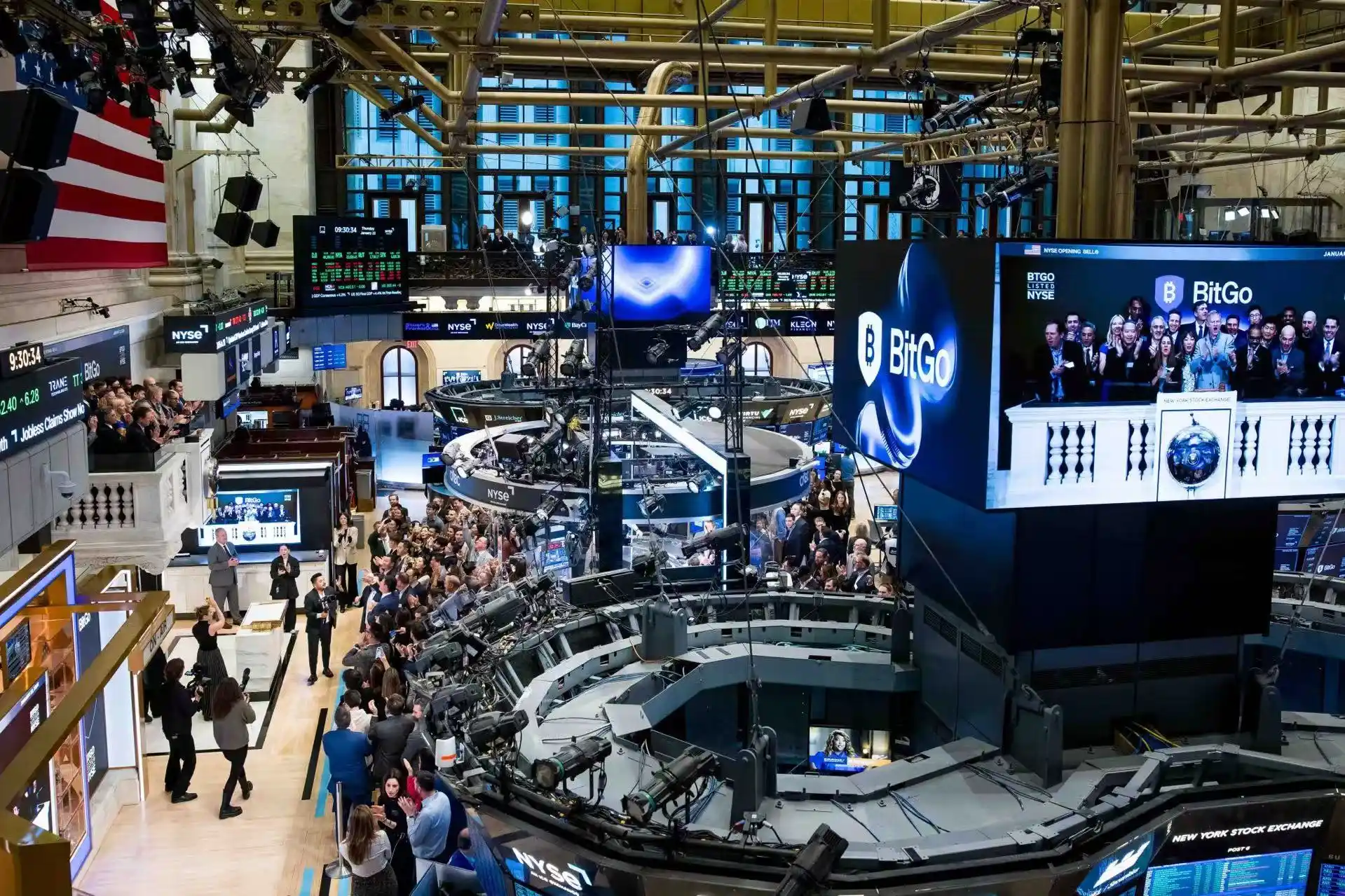
On Oct. 29, Intercontinental Exchange, the New York Stock Exchange’s parent, partnered with Trade.xyz to develop regulated perpetual futures markets for cryptocurrencies, equities, commodities and foreign exchange. ICE said the markets would operate through a separate retail trading and clearing business; more than 99% of its market participation currently comes from institutional customers. Hyperliquid Strategies said on Nov. 5 that its subsidiary, HypeStrat Markets, had applied for FCM registration to handle customer accounts for proposed markets on Hyperliquid.
Regulatory scrutiny has also grown outside the US. Hong Kong’s Securities and Futures Commission added Hyperliquid to its list of suspicious virtual asset trading platforms on Nov. 18, identifying its official interface and saying it lacked an SFC license. The regulator suspects the platform operates or presents itself as a virtual asset trading platform in Hong Kong, or markets to local investors. The warning follows concerns raised in the United Kingdom and Singapore.
Selig argued that regulated domestic markets could keep trading from moving offshore. “These things are going to happen. It’s a question of where they happen,” he said. He also defended the CFTC’s treatment of single-stock perpetual futures, whose recurring funding payments he compared with arrangements in traditional futures markets. The Capital Markets Alliance Association has challenged the agency’s authorization of such contracts offered by KalshiEX, Bitnomial Exchange and Coinbase Derivatives. On Nov. 3, US District Judge Valerie Caproni found the association likely to succeed on its claim about the CFTC’s authority, but denied a temporary restraining order, finding it had not shown imminent and irreparable harm to its members.
Comments (0)
No comments yet. Be the first!