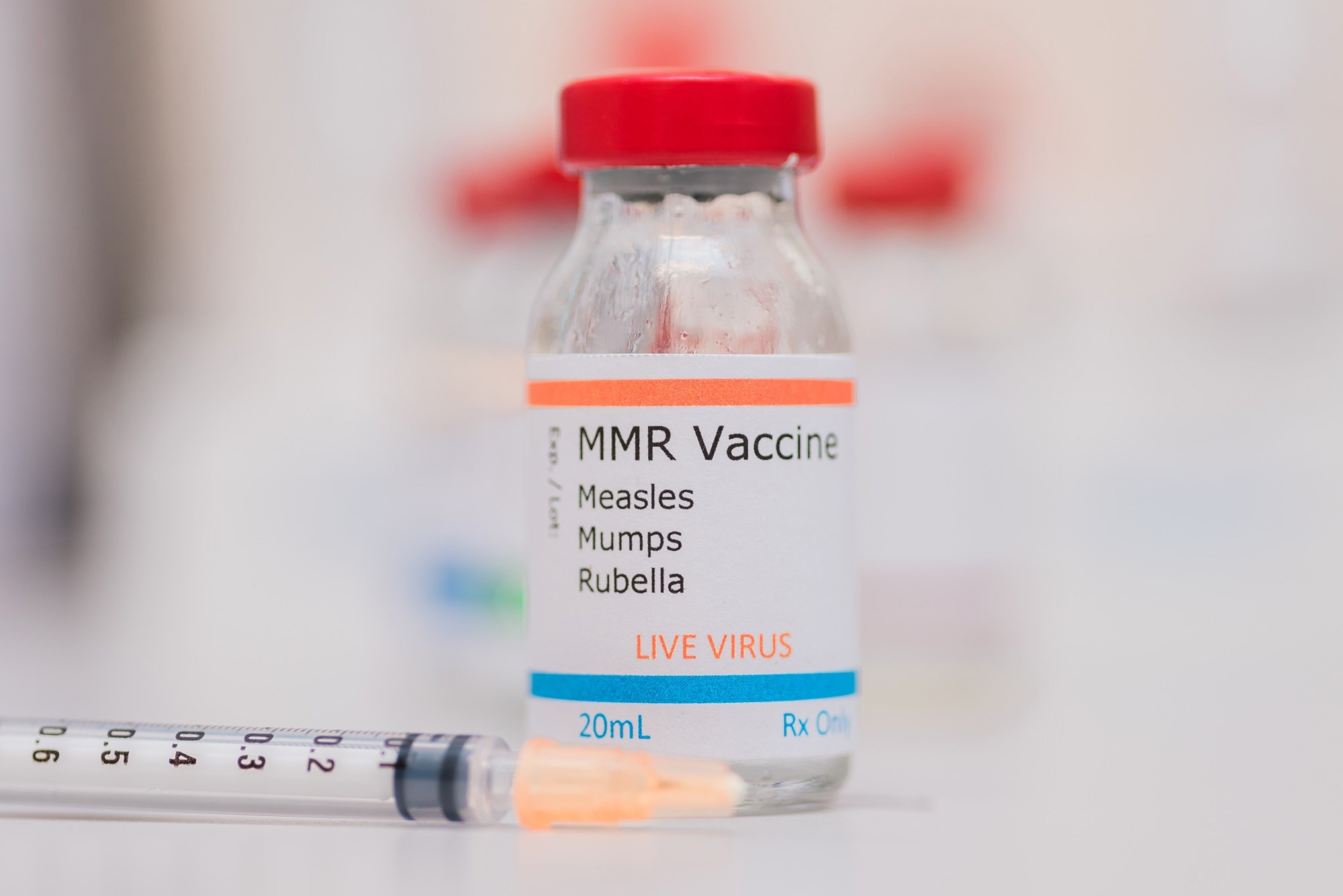
State health departments have reported 5,400 measles cases and 10 deaths this year. At least four people who died were babies too young for their first MMR dose, typically given at age 1. This year’s death toll is more than double last year’s and the highest since 1991. The Pan American Health Organization commission reached its decision after a four-day meeting last week, the reports said; measles is now considered endemic in the US.
Falling vaccination rates predate the Trump administration, but public health experts have criticized President Donald Trump and Health and Human Services Secretary Robert F. Kennedy Jr. for making false claims about the measles-mumps-rubella vaccine. Kennedy said in April that the vaccine “wanes very quickly,” although two doses provide lifelong protection and are about 97% effective at preventing infection. He also claimed inhaled steroids and antibiotics could treat measles, which has no approved treatment. Trump falsely said in August that the vaccine “can be quite lethal.” Kennedy later called vaccination the most effective prevention method but has opposed government mandates.
A 95% vaccination rate is needed to prevent outbreaks. In the 2025-26 school year, 92% of US kindergarteners were vaccinated against measles. An NBC News investigation found rates below 95% in 75% of counties; since 2019, 92% of counties and jurisdictions have reported declines. Misinformation has persisted since a fraudulent 1998 paper in The Lancet falsely linked the MMR vaccine to autism. The paper was retracted in 2010, but a 2020 Gallup poll found 10% of Americans still believed vaccines cause autism.
The Washington Post reported that CDC scientists urged agency leaders to alert doctors to risks for pregnant women and newborns, but CDC Director Erica Schwartz did not approve an alert. A study published Monday in NEJM Evidence reported 13 cases meeting its definition of congenital measles among newborns from January 2025 to September 2026. Dr. Kevin Ault of Penn State Health told the Post that an alert could have helped hospitals provide immune globulin to protect pregnant women and babies; the MMR vaccine cannot be given during pregnancy.
An HHS spokesperson told NBC News that the CDC had mounted an “aggressive response,” allocating $100 million and deploying experts to states with large outbreaks, including Pennsylvania, South Carolina and Texas. Sen. Mark Warner (D-Va.) called the loss “a completely preventable public health failure.”
Comments (0)
No comments yet. Be the first!