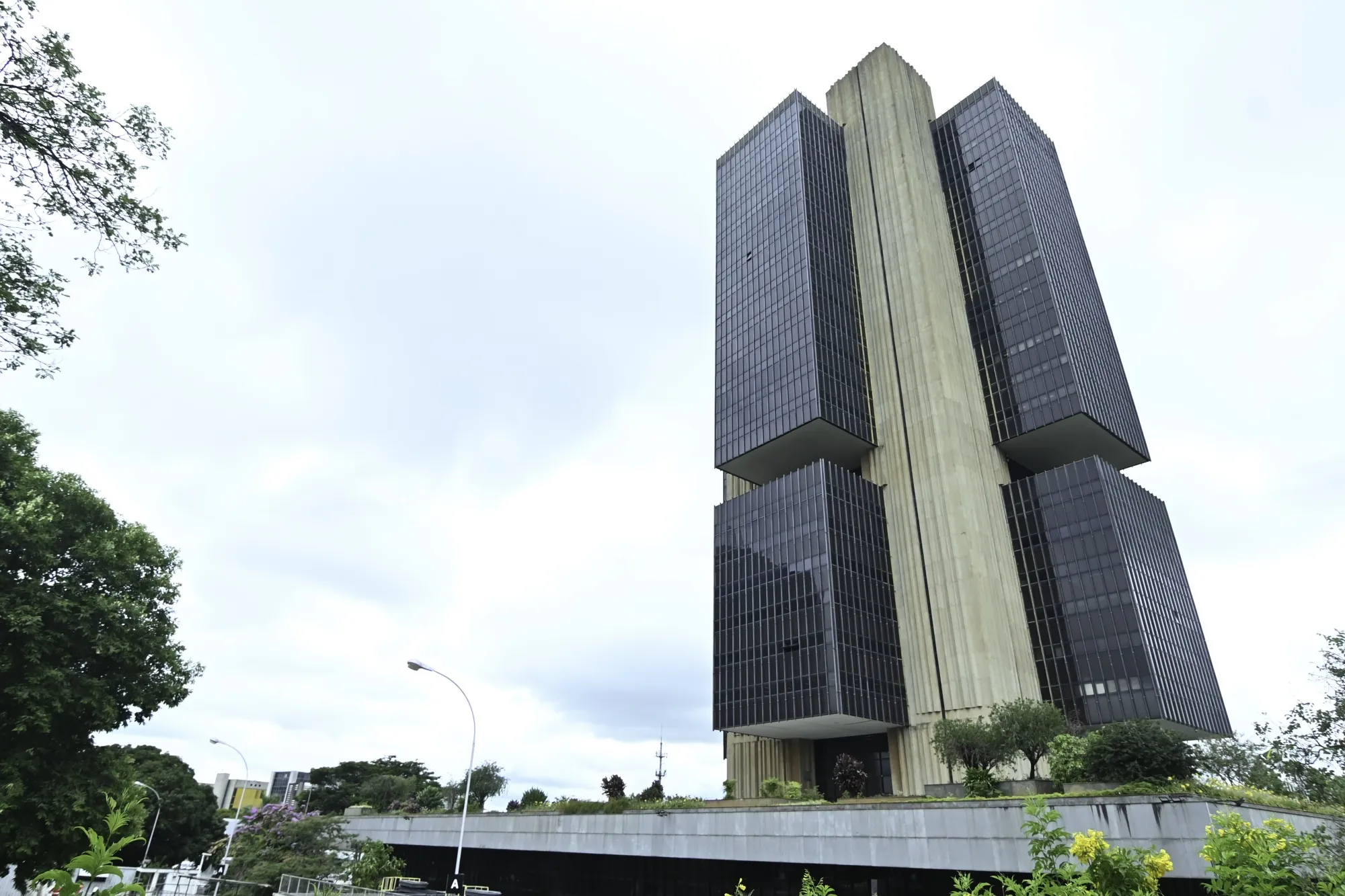
Gerson Romantini, head of the Central Bank of Brazil’s foreign exchange division, made the comments at a closed-door industry meeting hosted by Exchange Informática, according to local outlet Livecoins. He warned about stablecoins being used to move money across borders in arrangements resembling the informal “dólar cabo” market, which has historically operated outside conventional banking channels. Romantini described the concern as a process in which “good money becomes bad.”
He said regulators had assessed two versions of a “stablecoin sandwich,” in which reais are converted into dollar- or euro-backed tokens, transferred abroad and exchanged for local currency. “One is allowed and the other is not,” he told participants. A regulated institution may use virtual assets behind the scenes as infrastructure for a conventional foreign exchange transaction. But institutions may not sell stablecoins to customers in a structured service that transfers ownership to them before the assets are converted overseas. Romantini said a customer’s separate purchase of foreign exchange, followed by other use of the funds, would not automatically create the same problem for the institution.
The position follows Resolution BCB No. 561, effective Oct. 1. It requires settlements between regulated eFX providers and overseas counterparties to use conventional foreign exchange transactions or Brazilian real accounts held by nonresidents. Virtual assets are barred for those specific settlements, though the rules do not prohibit every cryptocurrency transfer outside the regulated eFX system. Certain eFX providers without authorization must seek central bank approval by May 31, 2027, to continue operating.
Livecoins reported that an industry source said a meeting scheduled for Nov. 19 could lead to further restrictions on fintech stablecoin services, potentially reserving some activities for banks. The central bank had not responded to the outlet’s questions about the meeting or possible limits.
The sector is also facing higher licensing and capital requirements. About 40 institutions were identified as part of the authorization process after an Oct. 30 deadline, below earlier industry expectations of 150 to 200 applicants. Required minimum capital ranges from R10.8 million to R37.2 million, depending on activity and risk. Lemon, an Argentine crypto platform, left Brazil, saying the requirements were disproportionate to its local operation of about 15,000 customer accounts. Separately, from Oct. 1, covered institutions must report self-custody transfers worth at least $10,000 to financial intelligence authority Coaf.
Comments (0)
No comments yet. Be the first!