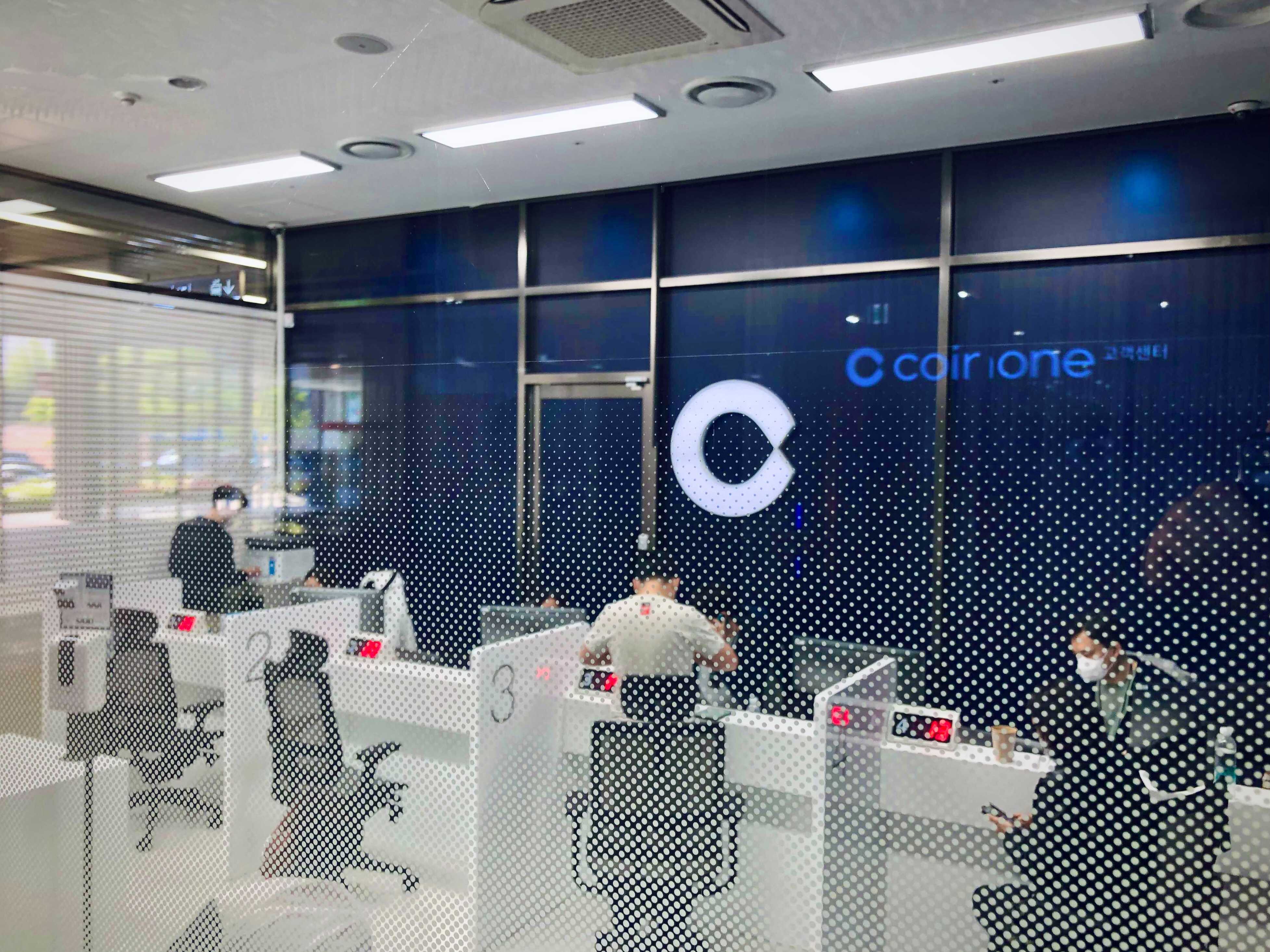
The attack targeted servers run by MetaM, which handled Coinone’s customer consultations. Coinone said the intrusion occurred at about 4 a.m. local time on November 12; the exchange learned of it around 9:20 a.m. after MetaM reported the incident. Customers who had never contacted the support center were not affected. Coinone has not disclosed how many people may be affected.
Potentially exposed information includes names, phone numbers, email addresses, dates of birth, bank account numbers, passwords, South Korean resident registration numbers, identity-document issuance dates, home addresses, wallet addresses and transaction IDs. Coinone said the records involved could differ by customer, depending on what they had shared in consultations; it has not established that every listed type of data was accessed in each case. The investigation into what was taken is ongoing, and the exchange plans to contact customers or provide a way to check which details were involved.
MetaM said it detected suspicious activity after a customer-service outage at 6:03 a.m. on November 12, Yonhap reported. It found evidence that phone numbers and consultation conversations had been accessed without authorization or removed from affected systems. MetaM reported the incident to the Korea Internet & Security Agency on November 13, isolated affected servers, blocked suspicious IP addresses and hired cybersecurity specialists.
Coinone said its core systems were separate from MetaM’s servers and showed “no evidence of a direct intrusion” as of its November 15 disclosure. It said account access requires two-factor authentication using a registered OTP or KakaoTalk verification on the customer’s registered phone, and that the information identified so far would not by itself allow account access or crypto withdrawals. The exchange blocked the attacker’s IP address and unauthorized access routes, moved outsourced support to email, and increased monitoring of logins and transactions. It reported the incident to the Korea Internet & Security Agency, the Personal Information Protection Commission and the Financial Supervisory Service.
The exchange warned that stolen consultation details could be used in impersonation attempts, phishing, spam or identity theft. Customers who shared passwords with support were told to change them, including on other sites where they reused the same credentials. Coinone said staff would never ask for passwords, OTP numbers or verification codes by phone, email or text, or ask customers to transfer crypto or change withdrawal addresses. It advised users to check account activity and report unauthorized logins, orders or withdrawals. Under South Korean law, affected customers may pursue damages, including statutory claims of up to 3 million won when proving actual losses is difficult.
Comments (0)
No comments yet. Be the first!