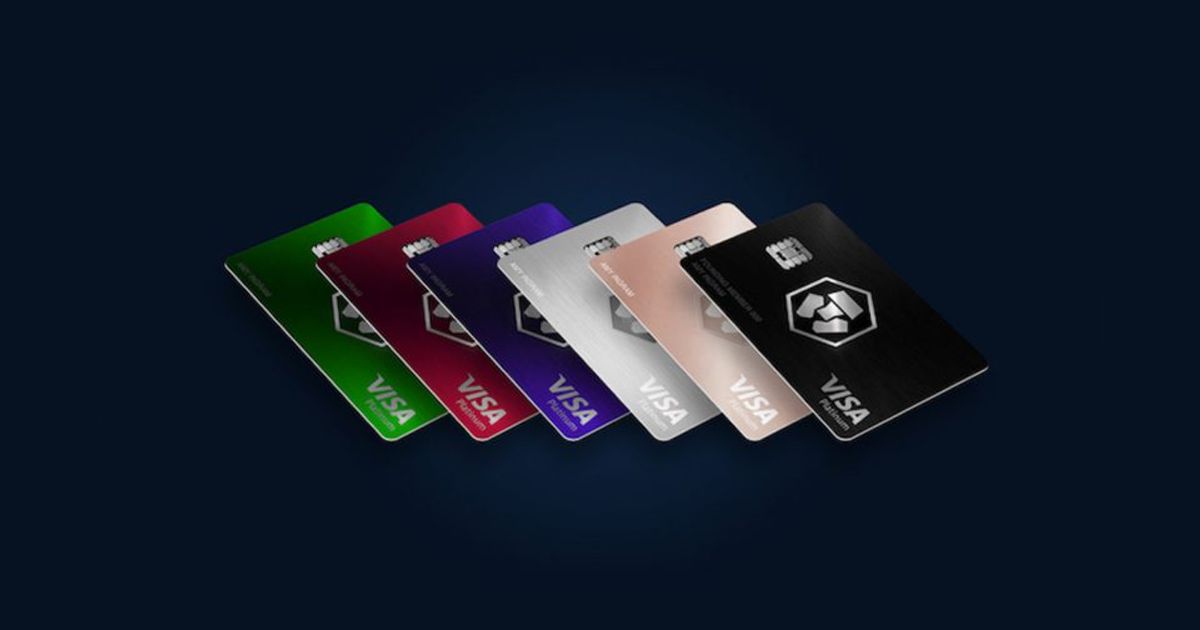
Crypto card companies may control their app, card design and marketing, but not the underlying payment system, Tarter told crypto.news. A sponsor bank supplies banking permissions and holds fiat deposits; a processor authorizes transactions. Separate vendors may handle identity checks, compliance, fraud prevention and crypto wallets. Banks or program managers can restrict or end a program they consider too risky, leaving the consumer-facing company unable to restore service on its own.
Tarter said Kulipa’s insolvency over the summer disrupted card programs serving roughly 20 wallets and fintechs. Customers may not learn of an interruption until a payment fails. Other incidents involved losses within payment infrastructure: Gnosis said a June 1 attack exploited software modules used by its card-safe system, taking card services offline. Its July 3 postmortem said attackers extracted $1.5 million and made another $300,000 inaccessible. The company absorbed the losses and restored users’ funds.
On Aug. 28, an outdated Rain contract exposed several Solana-based card programs to about $1.1 million in theft, according to Blockaid findings. The attacker targeted stablecoin collateral deposited for card spending, not personal wallets or private keys. A separate November data breach at Gnosis Pay affected its branded consumer cards; the company said its enterprise platform and customer funds were unaffected.
Mapping the providers behind a card
Before choosing a partner, Tarter recommends finding out whether customer funds sit in individual bank accounts or in a pooled account held for customers, often called an FBO account. For pooled funds, brands should establish who reconciles the customer ledger, how often, and whether the bank retains its own copy. Tarter favors accounts in customers’ names and daily copies of balances and records held by the brand.
US deposit insurance applies to eligible deposits if regulatory requirements are met, according to the Consumer Financial Protection Bureau. It protects against failure of the insured bank, not the collapse of a nonbank app company. Tarter also recommends independent security assessments, such as SOC 2 Type II reports, and questions about how a platform oversees other programs on the same infrastructure. Companies should clarify insurance limits and whether a major claim could overwhelm a provider.
Two providers may still depend on the same sponsor bank, so a second contract does not automatically provide an independent backup. Multiple issuers and processors can help with short outages, but add technical integrations, compliance work and ledgers to reconcile. Tarter advises brands to map intermediaries, request subcontractor lists, seek direct access to sponsor banks and address provider shutdowns, acquisitions, breaches and service withdrawals in contracts.
He also recommends contractual rights to continue or move a program and advance notice before termination. Tarter said MNEE dropped plans for FBO accounts with an unnamed provider because it lacked a direct bank relationship. According to his account, that provider later shut down and entered Chapter 11 proceedings. He said it took MNEE more than a year to pass one bank’s underwriting.
Comments (0)
No comments yet. Be the first!