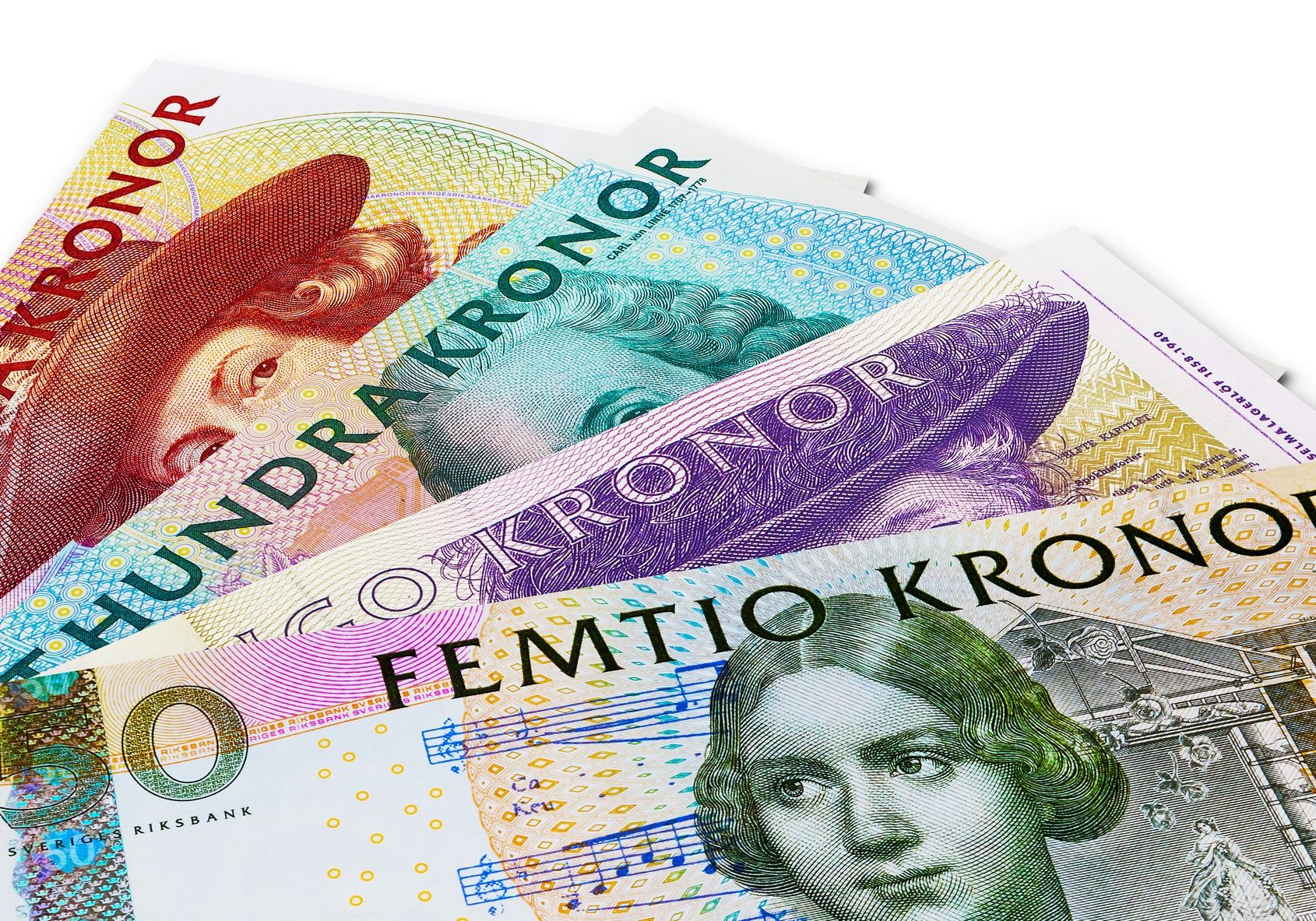
While a 2023 government inquiry previously deemed a state-issued digital currency unnecessary, the Riksbank now insists that legal groundwork must begin immediately. Officials estimate that developing the necessary financial infrastructure and systems will take at least five years, a timeline that does not account for the additional duration required to overhaul current national laws.
The push is driven by the European Central Bank’s aggressive timeline for the digital euro, which eyes a potential 2029 launch. The Riksbank fears that if the digital euro gains widespread adoption, it could weaken the competitiveness of Swedish payment systems. Furthermore, the bank has identified the rise of foreign-currency stablecoins—particularly those pegged to the US dollar—as a looming threat to the krona’s status as the primary medium of exchange within Sweden.
Although private initiatives have already emerged, such as the Frankfurt-based AllUnity’s launch of a regulated SEKAU stablecoin, the central bank maintains that a state-backed digital currency is essential. Unlike private assets, a digital krona would represent a direct liability of the Riksbank, providing a sovereign alternative to commercial bank balances. The institution emphasized that this project is intended to complement physical cash rather than facilitate its total replacement.
Comments (0)
No comments yet. Be the first!