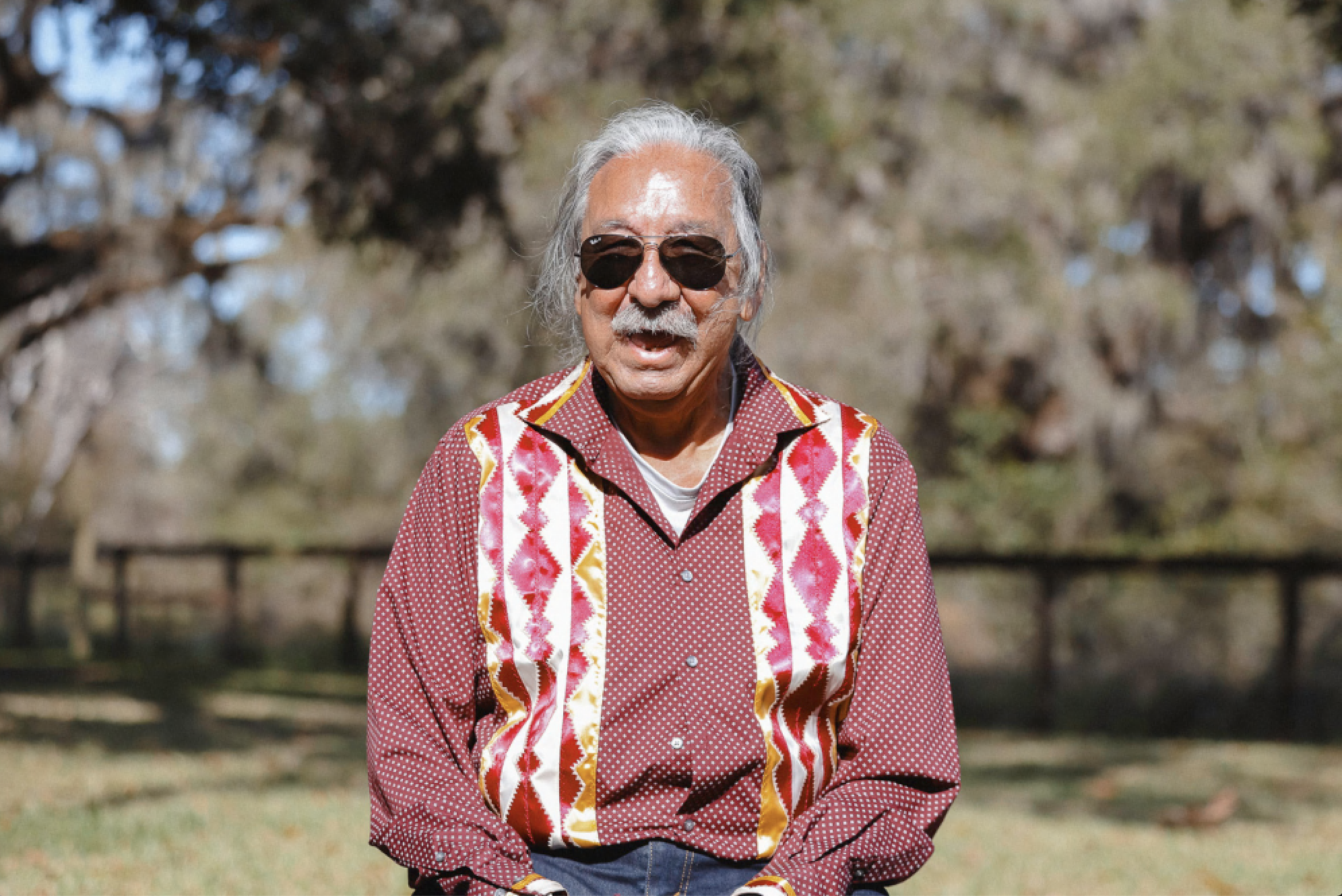
Peltier, whose decades-long imprisonment for a 1975 shootout remains a flashpoint for human rights advocates, argues that federal policy is shifting toward an aggressive erasure of Indigenous autonomy. He characterizes the current political climate as a continuation of historical cycles of greed and displacement, stressing that tribal nations intend to maintain their presence despite mounting institutional pressure.
The current administration is accelerating several fronts of conflict. In Arizona, construction of a border wall through Tohono O’odham ancestral lands has involved the use of drones and surveillance against tribal members. Similar tensions persist in Texas, where barrier projects intersect with sensitive treaty territories. Beyond physical borders, policy shifts are targeting the legal and educational foundations of tribal life. Proposed cuts to funding for tribal colleges threaten to destabilize Indigenous education, while modifications to the 2030 census could effectively obscure Native populations in federal data, jeopardizing access to essential services and voting rights. These actions have drawn sharp condemnation from tribal leaders, who are increasingly forced to defend sacred sites and national monuments like Bears Ears against reduction and industrial development.
Comments (0)
No comments yet. Be the first!