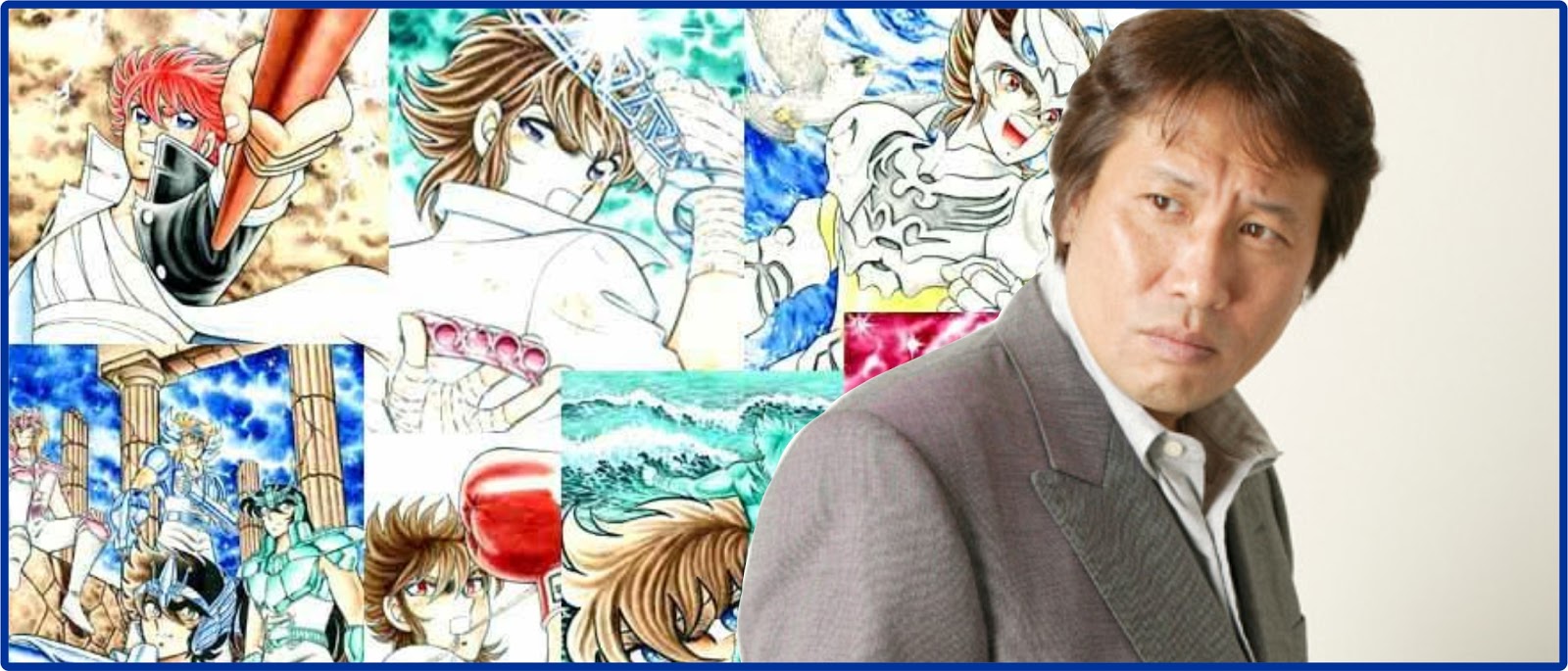
The scale of the alleged financial misconduct surfaced during a 2024 audit by the Tokyo Regional Taxation Bureau. Court filings detail a systematic scheme where the manager, who held administrative control over Kurumada’s three companies, diverted licensing fees from major partners and transferred bank funds into personal accounts. While approximately 1.8 billion yen has been recovered through partial repayment, Kurumada is pursuing the remaining balance from the manager, his relatives, and various associates.
Kurumada, 72, admitted at a Tokyo press conference that he had granted his manager total authority over the movement of money, leaving him entirely unaware of the drain on his assets. The artist described a sense of profound betrayal, noting that the financial fallout forced the cancellation of a high-profile 2024 art exhibition at Roppongi Hills. He has since committed to rescheduling the event for spring 2027 in Ikebukuro.
Legal representatives for the artist stated that the former manager acknowledged the unauthorized transfers, claiming they were made without malicious intent. The investigation into the diverted funds remains ongoing, with a specific focus on the opaque cryptocurrency investments made by the manager. While the case highlights the broader, intensifying scrutiny of crypto-linked financial crimes in Japan, the lawsuit centers strictly on the misappropriation of company revenue rather than the legitimacy of the digital assets themselves.
Comments (0)
No comments yet. Be the first!