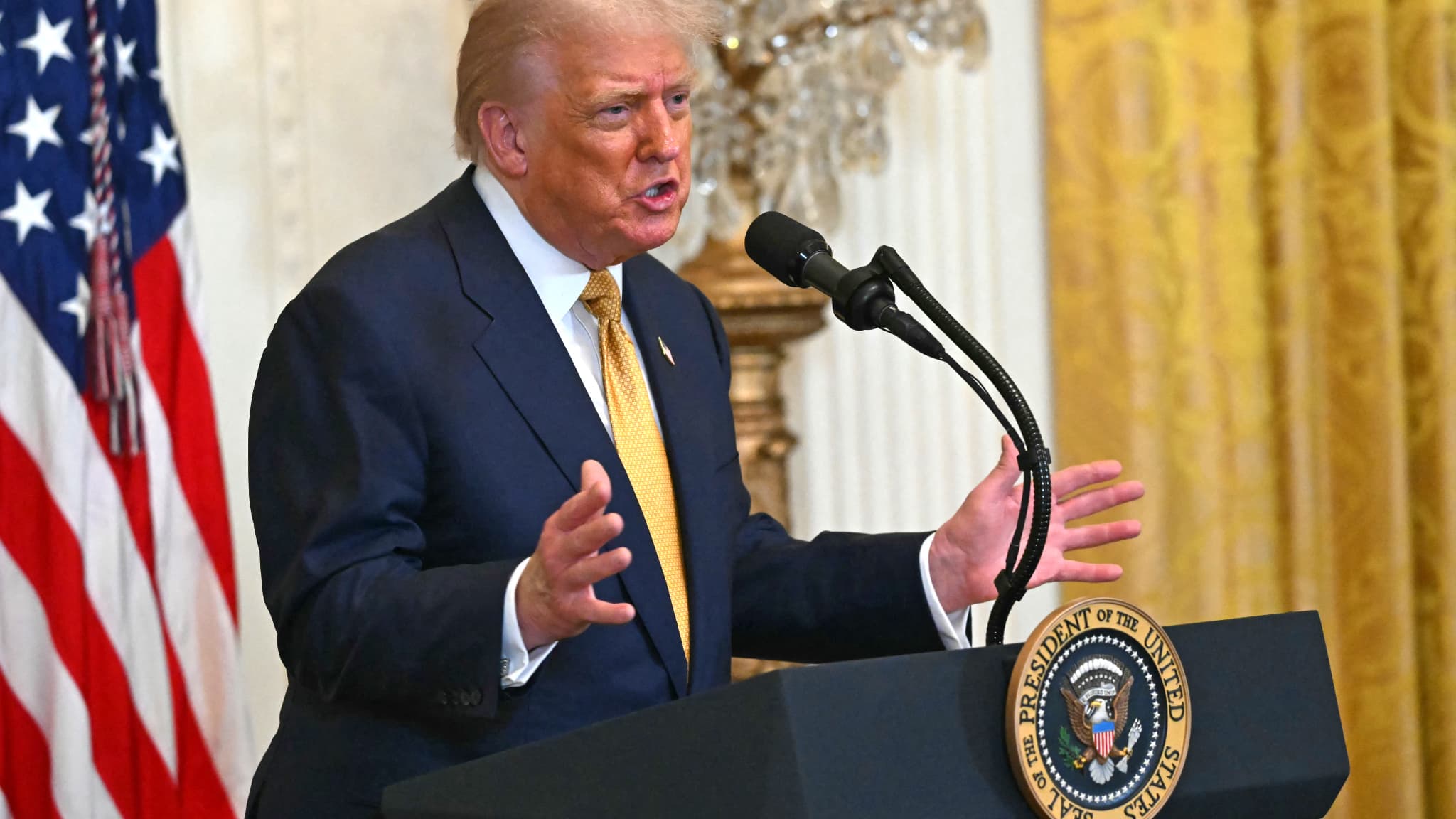
Volker Türk, the U.N. high commissioner for human rights, stated that any forcible transfer or deportation of people from occupied territory remains strictly prohibited. This stance was echoed by European officials; Germany’s foreign minister, Annalena Baerbock, warned that such an expulsion would not only be illegal but would exacerbate suffering and hatred in an already volatile region. France’s foreign ministry also voiced strong opposition, describing the plan as a major obstacle to any future two-state solution.
The proposal, which appeared alongside remarks from Israeli Prime Minister Benjamin Netanyahu, faced rejection across the Middle East. Palestinian President Mahmoud Abbas emphasized that regional stability depends on a sovereign state based on 1967 borders, not forced displacement. Francesca Albanese, the U.N. special rapporteur, characterized the rhetoric as an incitement to commit an international crime, suggesting that the international community should respond by isolating the United States on the issue.
Domestic advocacy groups joined the criticism, with leaders from Amnesty International USA and Win Without War condemning the plan as morally indefensible. Critics pointed to the potential for private interests to profit from the territory, contrasting Trump’s previous campaign framing as a 'peace candidate' against his current calls for military-backed displacement.
Comments (0)
No comments yet. Be the first!