The surge in borrowing costs arrives as the U.K. prepares for its October 28 budget, a critical window for Chancellor Rachel Reeves to define fiscal policy under tightening constraints. Economists at Pantheon Macroeconomics suggest that the rising cost of servicing national debt could significantly erode the government’s fiscal headroom, potentially shrinking it from £23.6 billion to roughly £13 billion. While the Treasury does not refinance its entire debt stock immediately, the sustained climb in yields—coupled with a broader international selloff affecting U.S. and European markets—complicates the outlook for long-term public finances.
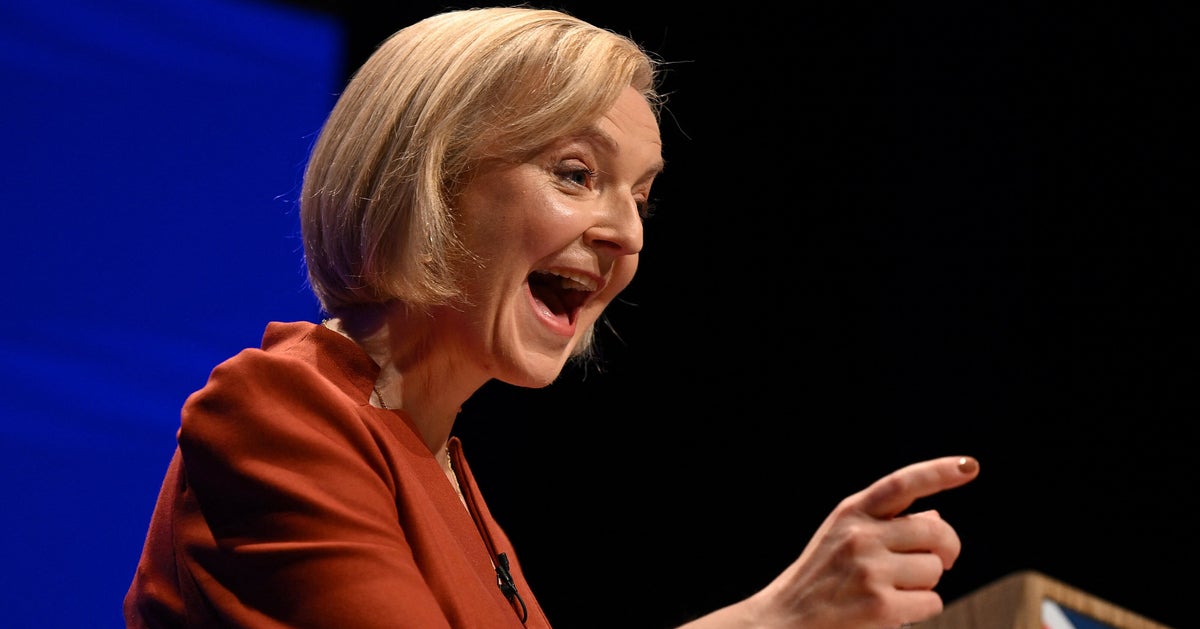
Liz Truss, whose own brief tenure in 2022 was marked by severe market volatility following unfunded tax cut proposals, argued that the current trajectory of debt and currency debasement is unsustainable. Her assessment, however, contrasts with the view that the current market pressure is a global phenomenon driven by persistent inflation, rising oil prices, and shifting interest rate expectations rather than domestic policy alone. As investors digest the potential for higher-for-longer rates, risk assets have felt the strain; Bitcoin has retreated to approximately $76,500 after a recent rally, while gold has similarly pulled back from its highs. With the Office for Budget Responsibility yet to finalize its market-based interest assumptions for the upcoming budget, the government faces a narrow path between maintaining fiscal rules and addressing the mounting pressure on the public purse.
Comments (0)
No comments yet. Be the first!