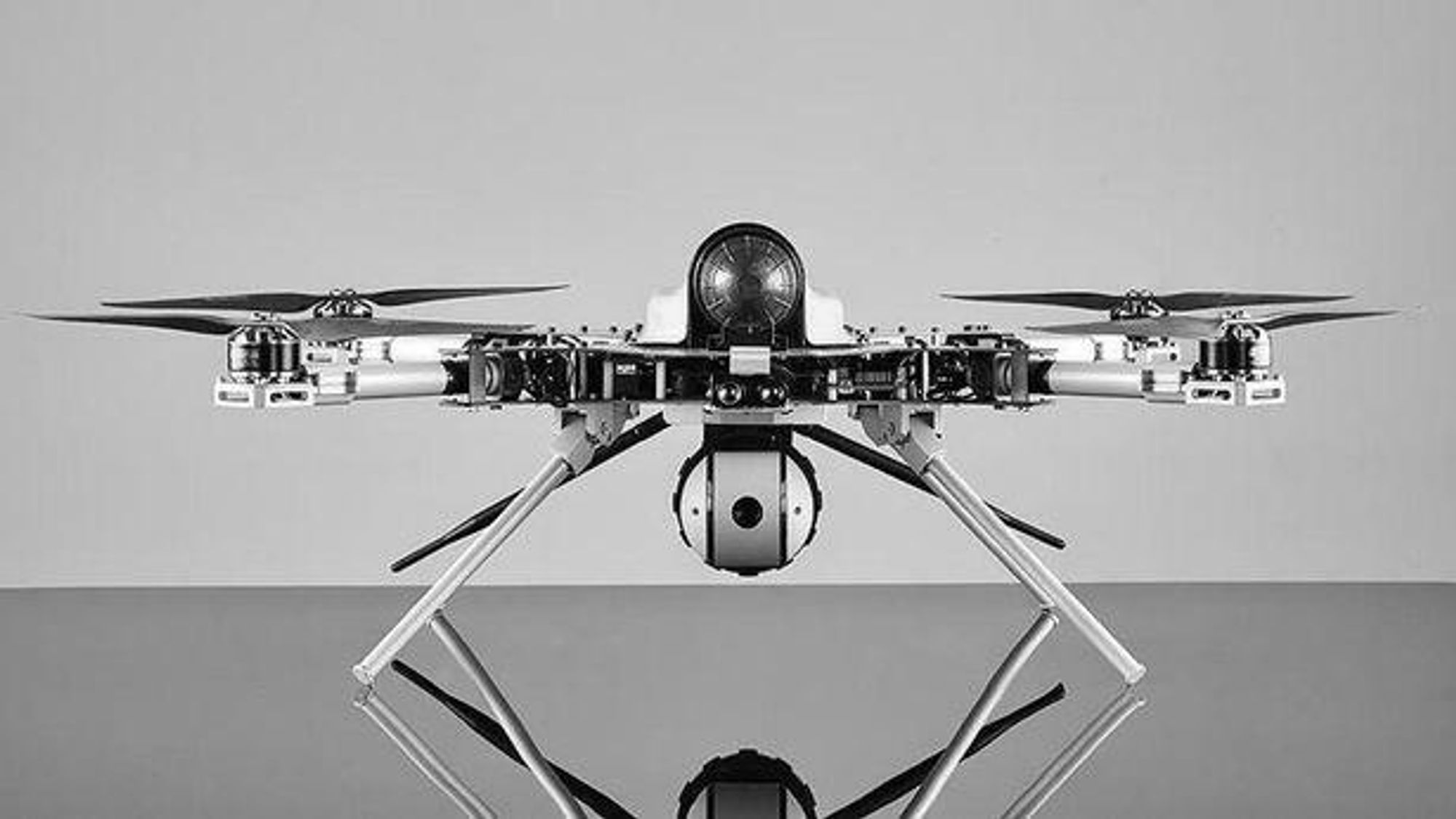
The two leaders issued a joint statement this week highlighting an accelerating arms race that has far outpaced existing legal frameworks. They argue that the gap between technological capability and regulatory oversight is widening at record speed, creating a volatile environment where lethal force is increasingly automated. The United States and Israel are currently among the nations actively utilizing AI to assist in complex military targeting decisions.
This call to action arrives ahead of the Seventh Review Conference of the Convention on Certain Conventional Weapons scheduled for November. Guterres and Spoljaric contend that this summit represents a critical window for nations to negotiate a legally binding instrument to govern these systems. Their concern is amplified by shifting global priorities, particularly within the United States, where the Pentagon has requested 55 billion dollars for autonomous weapons in the 2027 fiscal year—a 24,000% increase over previous allocations.
Defense startups are already responding to these pressures. California-based Anduril recently accelerated production of AI-backed, self-flying drones at a facility in Ohio to keep pace with developments in China and Russia. Critics, including analysts at the National Priorities Project, warn that this massive influx of funding for robotic warfare risks normalizing automated combat while domestic economic needs remain unmet.
Comments (0)
No comments yet. Be the first!