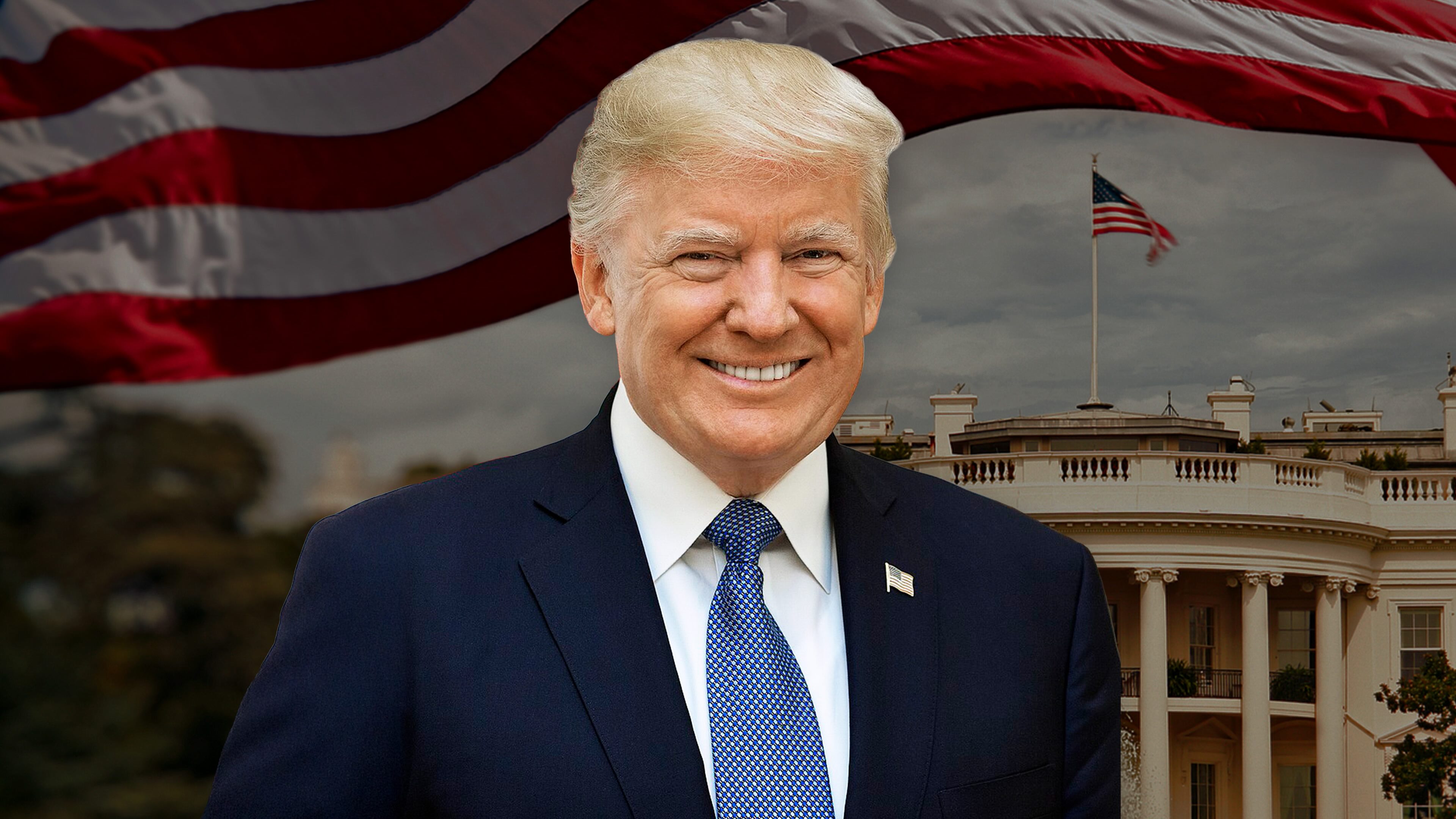
Trump’s intervention includes a vow to pardon former Honduran President Juan Orlando Hernández, currently serving a 45-year sentence in the US for drug trafficking. On social media, the former president labeled Asfura’s opponents as "Narcocommunists," claiming their election would allow Venezuelan leadership to seize control of the country. These tactics have drawn parallels to previous Trumpian threats in New York and Argentina, where he similarly linked federal aid or financial bailouts to the electoral success of his preferred allies.
The Impact of External Pressure
CPC Deputy Chairs Ilhan Omar and Jesús García condemned the "smearing" of candidates Rixi Moncada and Salvador Nasralla, describing the rhetoric as unacceptable Cold War-era intimidation. They emphasized that premature declarations from US politicians threaten the legitimacy of the vote. Honduran Vice Foreign Minister Gerardo Torres echoed these concerns, suggesting that the National Party may attempt to manufacture an "irreversible trend" early in the count to force a favorable outcome. While some analysts believe these "red scare" tactics may influence older voters, they remain unlikely to shift the priorities of younger Hondurans, who remain focused on unemployment and economic opportunity. As the nation prepares to transfer power for the first time outside the shadow of post-coup regimes, local observers argue that Trump's overt backing may ultimately backfire by highlighting the alignment between his platform and the country's discredited political past.
Comments (0)
No comments yet. Be the first!