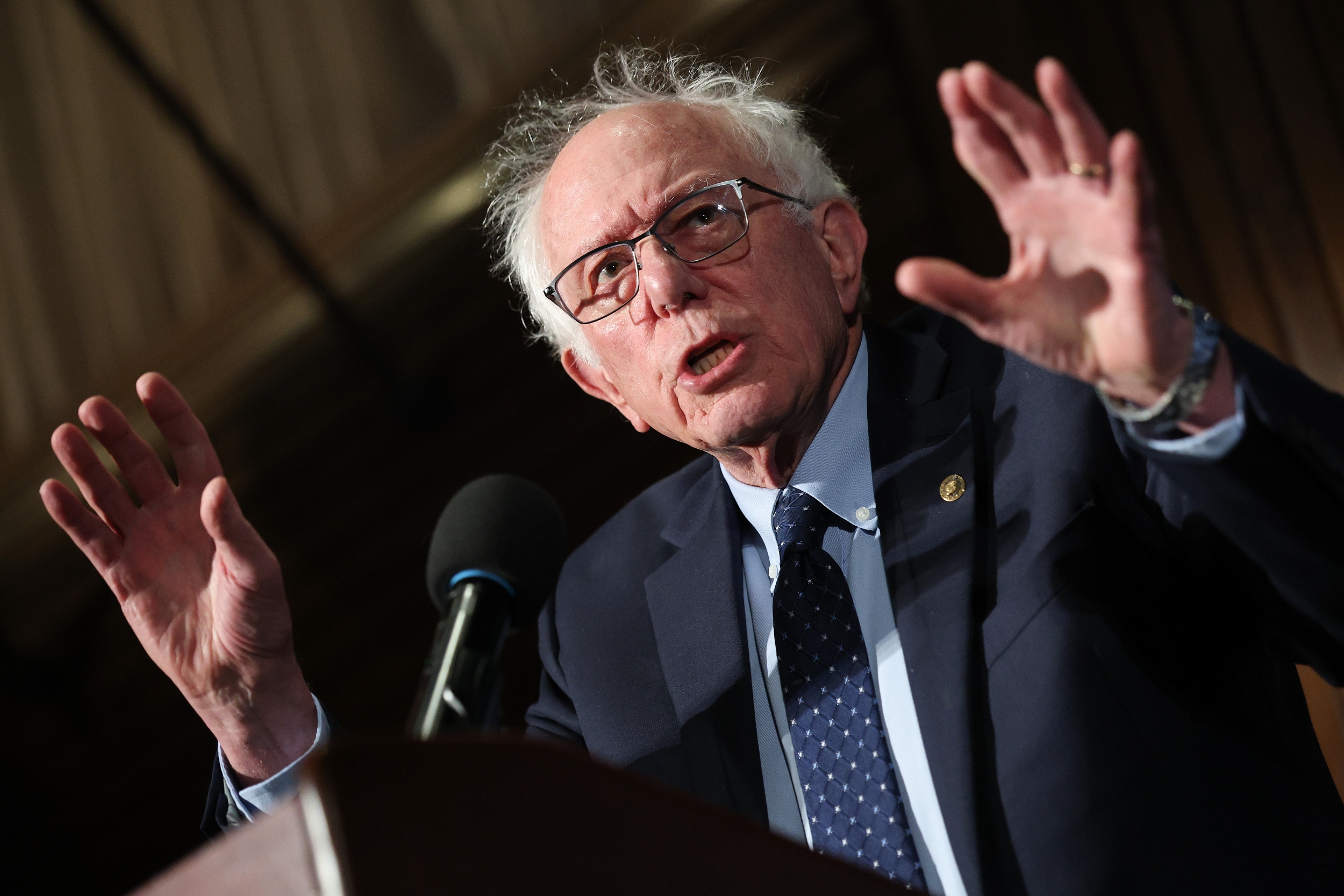
Joined by Representatives Pramila Jayapal and Debbie Dingell, Sanders argued that the current model prioritizes profiteering over patient outcomes. The proposed legislation seeks to eliminate administrative bloat and expand coverage to include dental, vision, and prescription drugs. Despite the bill’s dim prospects in the Republican-controlled House and Senate, its supporters view the reintroduction as a necessary signal to the public that their needs remain at the center of the legislative agenda.
Rep. Jayapal underscored the urgency of the movement, noting that 85 million Americans currently face gaps in coverage or crushing medical debt. Financial arguments for the shift remain a cornerstone of the debate; a 2020 study in The Lancet estimated that a single-payer program could prevent 68,000 annual deaths while saving the country more than $450 billion. The Congressional Budget Office similarly projected significant long-term savings for a comparable system by 2030.
National Nurses United, the nation’s largest nurses’ union, provided a visible presence at the event, framing the legislation as a vital defense against proposed cuts to existing safety nets like Medicaid. Bonnie Castillo, the union’s executive director, characterized the ongoing legislative battle as a test of endurance against political efforts to demoralize advocates. While the bill currently holds 104 co-sponsors in the House and 16 in the Senate—a modest increase from the previous session—broad public support persists, with recent Gallup polling indicating that 57% of Americans favor a government-guaranteed healthcare system.
Comments (0)
No comments yet. Be the first!