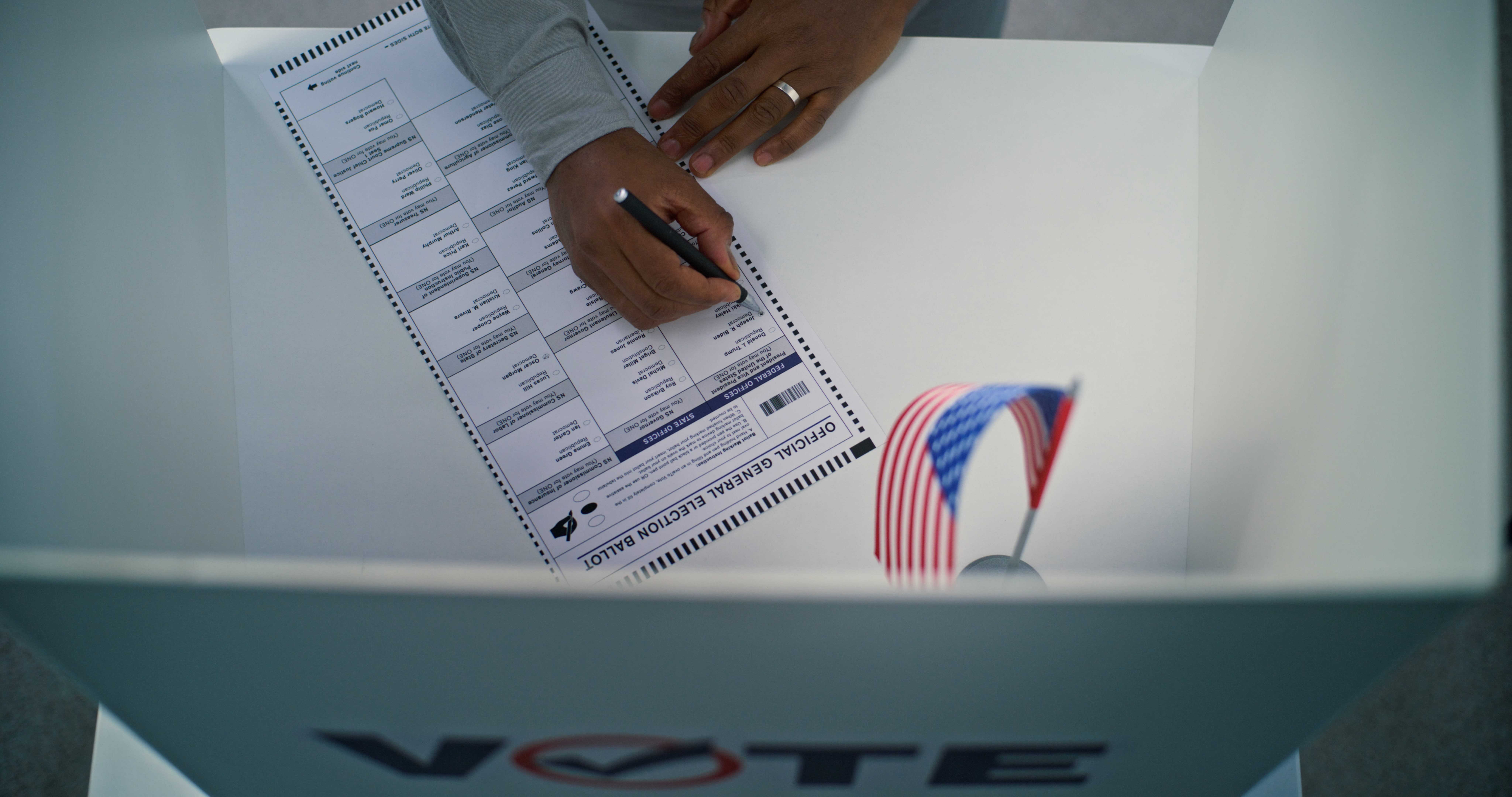
The proposed change would have required future citizen-led amendments to secure a majority vote in all eight of the state's congressional districts. Critics argued the move was a calculated effort to insulate the legislature from public opinion, particularly following successful voter-driven initiatives that expanded Medicaid, legalized marijuana, and raised the minimum wage. Kansas City Mayor Quinton Lucas framed the results as a total repudiation of the state GOP’s agenda, noting that the measure was designed to stifle the initiative petition rights that Missourians have used to bypass legislative inaction.
Simultaneously, voters rejected Amendment 5, a proposal to phase out state income taxes in favor of expanded sales taxes. The nonpartisan Missouri Budget Project warned the plan would have shifted the tax burden onto working families, costing the average resident $500 more annually while providing significant breaks to high-income earners. State House Minority Leader Ashley Aune described the dual defeats as a clear warning to Jefferson City officials, suggesting that voters are increasingly unwilling to allow the ruling party to consolidate power at the expense of public rights. As the state looks toward the November election, the focus shifts to Amendment 3, with observers noting the current results may foreshadow a broader resistance to the legislature's conservative platform.
Comments (0)
No comments yet. Be the first!