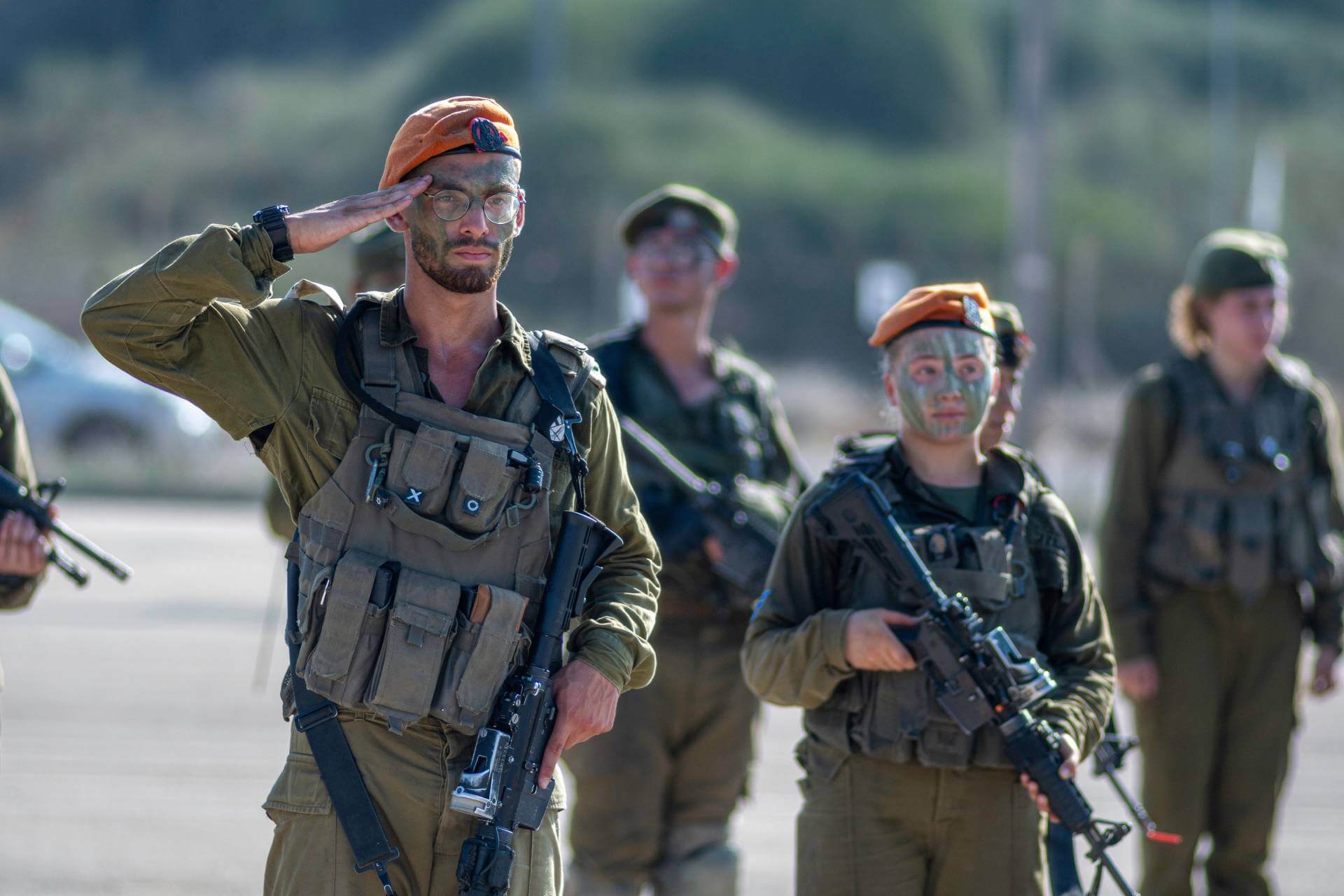
The latest casualties have drawn urgent attention from mental health experts and military officials, who describe the current situation as the most acute psychological crisis the Israeli military has faced in decades. According to data from Haaretz, annual suicide rates among troops reached 21 in 2024 and 22 in 2025, the highest figures recorded in 15 years. Despite this spike in demand for psychological services, reports suggest the military has simultaneously reduced its available mental health personnel.
This mental health deterioration is inextricably linked to the ongoing conflict. Reuters reported a 40% increase in post-traumatic stress disorder cases among troops since September 2023. Beyond the battlefield, a persistent cultural stigma keeps many soldiers from seeking help, as they fear professional repercussions or perceptions of weakness. A senior commander noted to Kan last year that the war’s complex reality, characterized by brutal combat and documented reports of atrocities, has left a profound mark on those serving. As psychologist Rachel Kabasakalian-McKay suggests, the concept of "complex implication" defines this struggle: soldiers caught in networks of harm often carry their own heavy psychological burdens, existing simultaneously as participants in a war and as individuals fractured by what they have witnessed and done.
Comments (0)
No comments yet. Be the first!