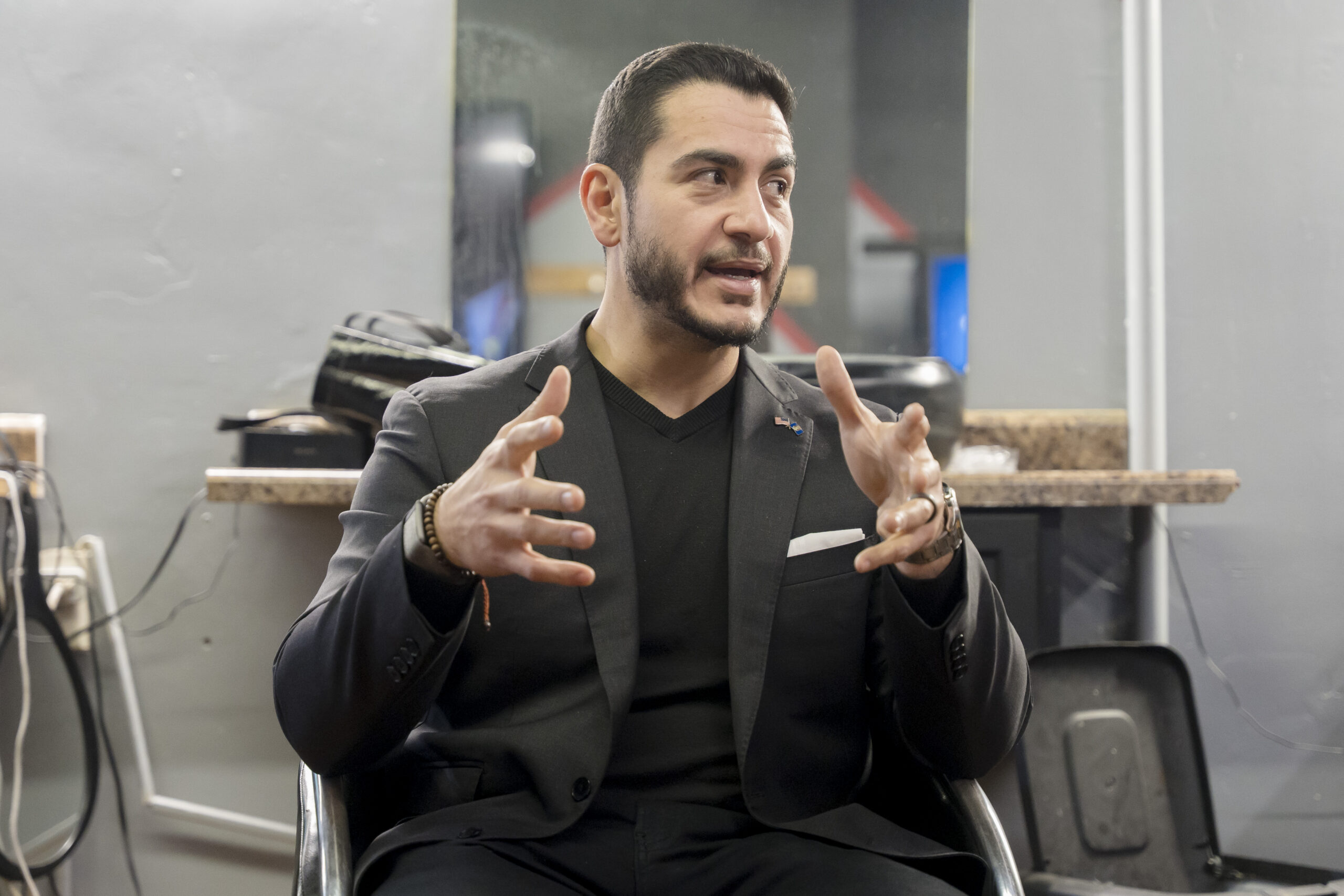
El-Sayed, a former Detroit public health official, argued that the massive financial support, including $46 million from the AIPAC-affiliated United Democracy Project, functions as a crutch rather than a mandate from voters. He contended that relying on corporate-linked money for advertising undermines the democratic process and renders Stevens beholden to interests in the health insurance and tech industries. During the debate, he specifically cited the $45,000 her campaign received from DTE Energy as evidence of her compromised position.
Stevens largely deflected the accusations, questioning El-Sayed’s ties to out-of-state senators like Bernie Sanders and Elizabeth Warren. She framed her candidacy around her four-term legislative experience and knowledge of Michigan’s manufacturing sector. While Stevens asserted that super PAC activity is a wash between the two candidates, AdImpact data indicates that outside spending supporting her campaign currently outpaces support for El-Sayed by an 18-to-1 margin. Despite the financial disparity, recent polling suggests a tight contest as both candidates look toward a potential November matchup against Republican Mike Rogers.
Comments (0)
No comments yet. Be the first!