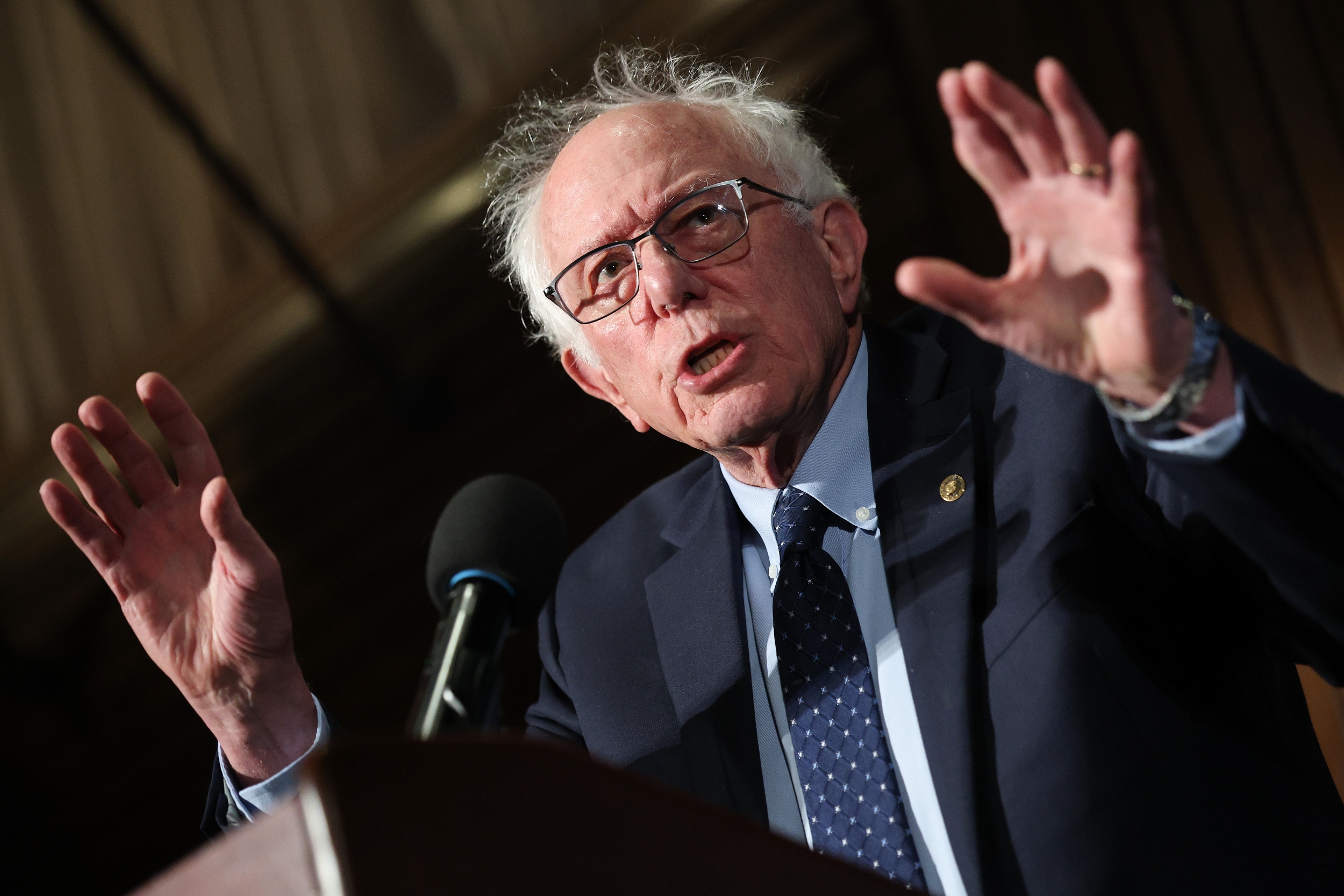
While campaigning in Minneapolis for Minnesota Lieutenant Governor Peggy Flanagan’s Senate bid, Sanders signaled a shift toward confrontational rhetoric regarding industry-funded political action committees. His critique centers on the influence of organizations like Fairshake, which have deployed millions of dollars to shape outcomes in congressional primaries across Maryland, New York, and Utah. By late June, industry contributions for the current cycle reached an estimated $189 million, drawing support from major players including Ripple, Coinbase, and Andreessen Horowitz.
The battle over campaign finance
Sanders’ opposition focuses on the concentration of financial power rather than specific blockchain protocols or asset prices. This follows his recent collaborative effort with Senator Elizabeth Warren to pressure the U.S. Labor Department to block proposals that would integrate digital assets into 401(k) retirement plans. Lawmakers argue that such inclusion exposes retail savers to unnecessary volatility. As the 2026 midterms approach, the injection of crypto-linked capital into both Democratic and Republican contests has transformed digital asset regulation into a central battlefield of campaign finance reform. While Sanders has yet to outline specific legislative bans, his focus on the role of super PACs ensures that crypto policy will remain a high-profile point of friction throughout the upcoming election season.
Comments (0)
No comments yet. Be the first!