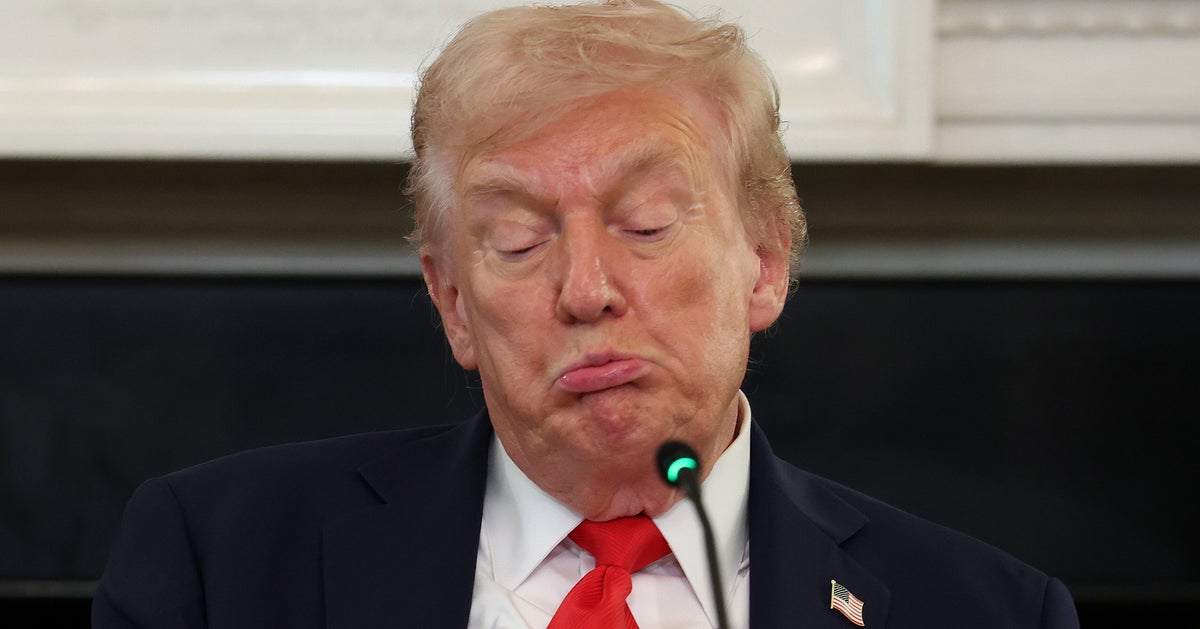
The administration justified the unprecedented use of Section 338 by alleging that Canada has engaged in discriminatory practices against American alcohol, dairy, and automotive exports. US Trade Representative Jamieson Greer stated that the measure aims to hold Ottawa accountable for retaliatory trade policies, though the new tariffs exclude energy products, fish, and critical minerals. Outside of official economic rhetoric, the president has repeatedly linked the decision to Canadian wildfires, suggesting that the smoke crossing the border warrants financial restitution or retaliatory trade action.
This rationale has sparked sharp criticism from political opponents. New York Governor Kathy Hochul and various Democratic lawmakers have ridiculed the connection between environmental events and trade policy, with Representative Ted Lieu promising legislative efforts to repeal the measures. Meanwhile, Ontario Premier Doug Ford has warned of a reciprocal response, urging Canada to match the move dollar for dollar. According to the coalition We Pay the Tariffs, previous trade escalations since March 2025 have already cost American businesses and consumers an estimated $317 billion, casting doubt on the economic impact of this latest expansion.
Comments (0)
No comments yet. Be the first!