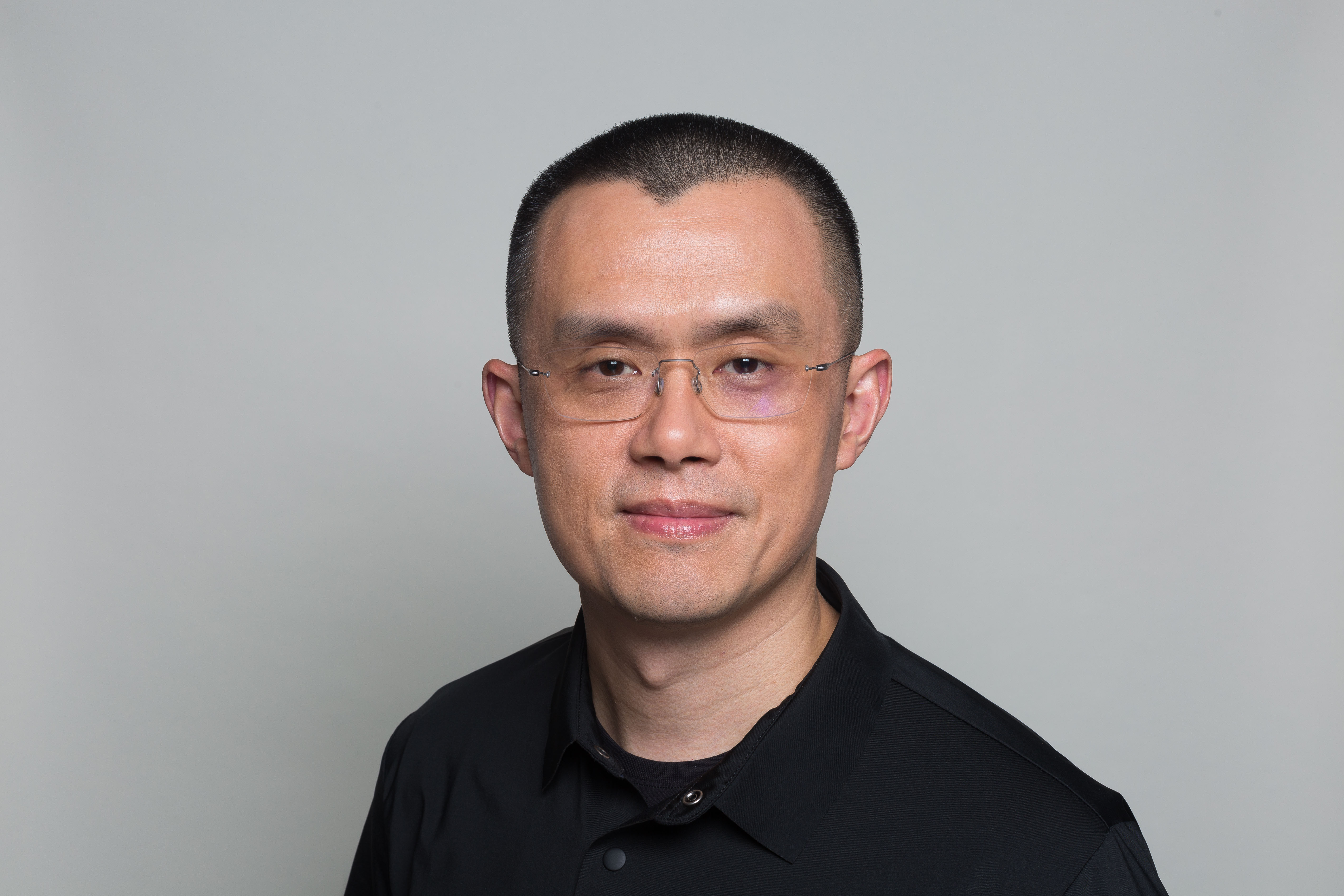
While JPMorgan CEO Jamie Dimon anticipates $725 billion flowing into AI infrastructure this year, Zhao argues that capital allocation into the sector serves an entirely different economic purpose. He acknowledges that artificial intelligence drives productivity, business efficiency, and technological output. However, he warns that AI company valuations remain tethered to corporate execution, revenue competition, and the potential for share dilution through future capital raises. In contrast, Bitcoin operates under a strict protocol that precludes any entity from expanding its supply.
This fundamental difference highlights the divergent risks inherent in each asset class. An AI investment relies on a management team’s ability to convert massive infrastructure spending into durable market dominance. Bitcoin holders, meanwhile, look to programmed scarcity as a safeguard against monetary expansion. Zhao maintains that while the current AI boom may temporarily divert liquidity away from digital assets, the two themes are not direct competitors. AI functions as a tool for economic growth, whereas Bitcoin functions as a store of value for those hedging against the devaluation of fiat currencies.
Institutional interest in this hedge is growing, albeit from different perspectives. BlackRock executives, including CEO Larry Fink and digital assets lead Robert Mitchnick, have increasingly pointed to persistent U.S. budget deficits and rising national debt as catalysts for Bitcoin adoption. As fiscal pressures mount, the argument that decentralized assets provide an alternative to government-controlled currency is gaining traction among traditional financial managers who otherwise remain skeptical of the broader cryptocurrency market.
Comments (0)
No comments yet. Be the first!