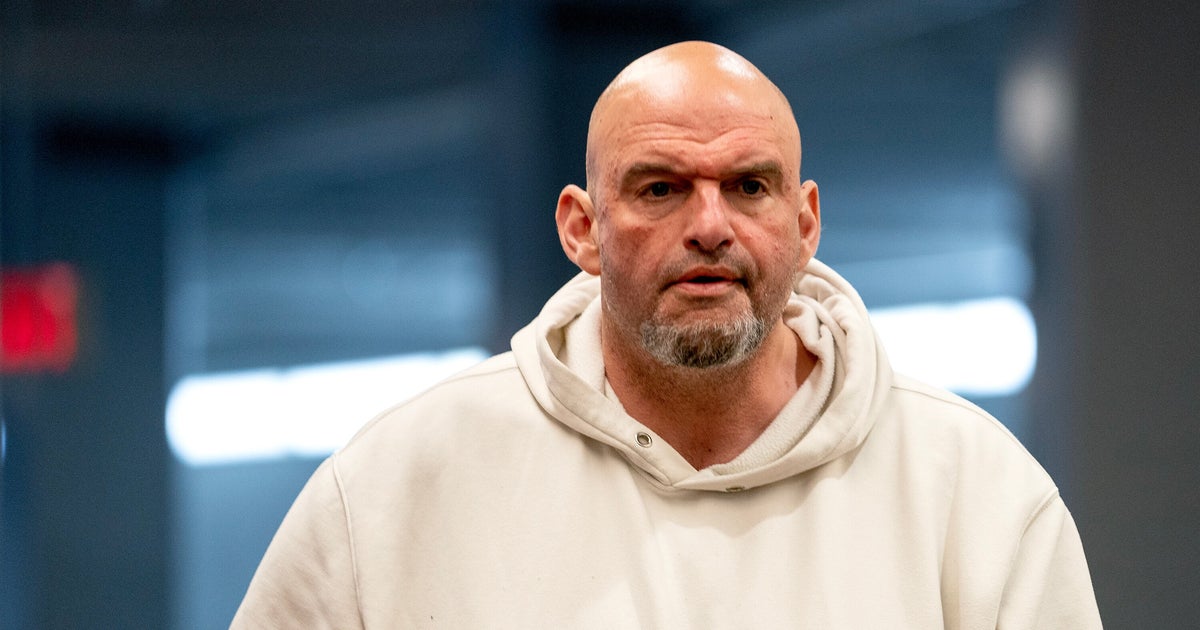
Fetterman’s ultimatum followed a significant shift in Congress, where 103 House Democrats voted for an amendment to cut the $3.3 billion in annual military financing provided to Israel. While the measure failed, the scale of the dissent signaled a growing divide within the party regarding Israel’s conduct in Gaza. Addressing the Hill Nation Summit in Washington, D.C., Fetterman insisted that his primary concern remains the party’s potential to “turn their back” on the ally, framing his stance as a matter of moral clarity.
Critics were quick to point out that Fetterman’s singular focus on Israel appears increasingly disconnected from his legislative duties to his own constituents. Jilani suggested that by prioritizing a foreign government over party unity, the senator risks disenfranchising the voters who put him in office. Fetterman has consistently aligned himself with Israel’s leadership, even rejecting international legal scrutiny. He famously dismissed the International Criminal Court’s move to issue arrest warrants for Benjamin Netanyahu and Yoav Gallant, and reports indicate he has privately urged Israeli officials to pardon the Prime Minister amid ongoing corruption trials.
Beyond his foreign policy stance, Fetterman’s political trajectory has drawn fire from within his own ranks. He has faced mounting criticism for backing specific Republican-aligned immigration policies and maintaining a combative posture toward progressive Democrats. Recent reports noting a maximum campaign contribution from Republican megadonor Harlan Crow have further fueled accusations that the senator is drifting away from the party platform, specifically targeting candidates like Michigan’s Abdul El-Sayed for their criticism of Israeli military actions.
Comments (0)
No comments yet. Be the first!