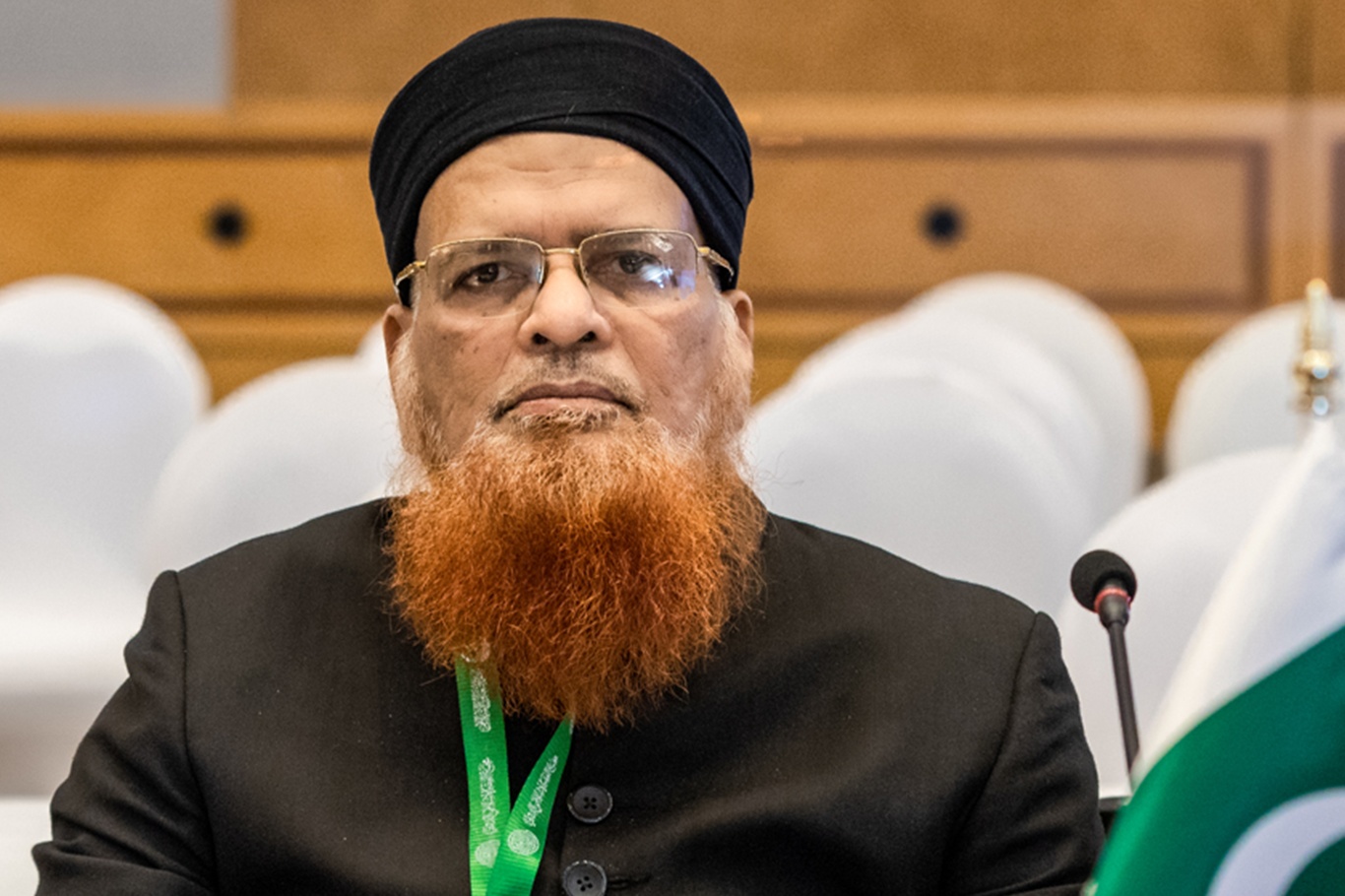
Following a July 11 meeting with Mufti Taqi Usmani, Saqib argued that labeling all digital assets under a single religious umbrella ignores the technical diversity of the sector. The controversy stems from a June 10 decree from Darul Ifta at Jamia Darul Uloom Karachi, which dismissed cryptocurrencies like USDT as mere "fictitious numbers" rather than recognized property. While the ruling challenges the foundation of digital payments, the PVARA has not altered its ongoing licensing framework.
Despite the religious opposition, Pakistan maintains a steady path toward a regulated virtual asset market. The Virtual Assets Act 2026 established the PVARA as the primary supervisory body, and in April, the State Bank of Pakistan authorized banks to provide accounts for licensed firms. These institutions must strictly adhere to anti-money laundering and counterterrorism financing protocols, ensuring that banks remain insulated from direct crypto market exposure.
Government plans regarding stablecoins and tokenized assets persist alongside these regulatory debates. Officials previously signed nonbinding agreements with Binance to explore the tokenization of $2 billion in state assets, including government bonds and commodity reserves. While the religious ruling creates a significant hurdle for public adoption, the regulator intends to continue engaging scholars and industry specialists to reconcile state policy with Shariah requirements.
Comments (0)
No comments yet. Be the first!