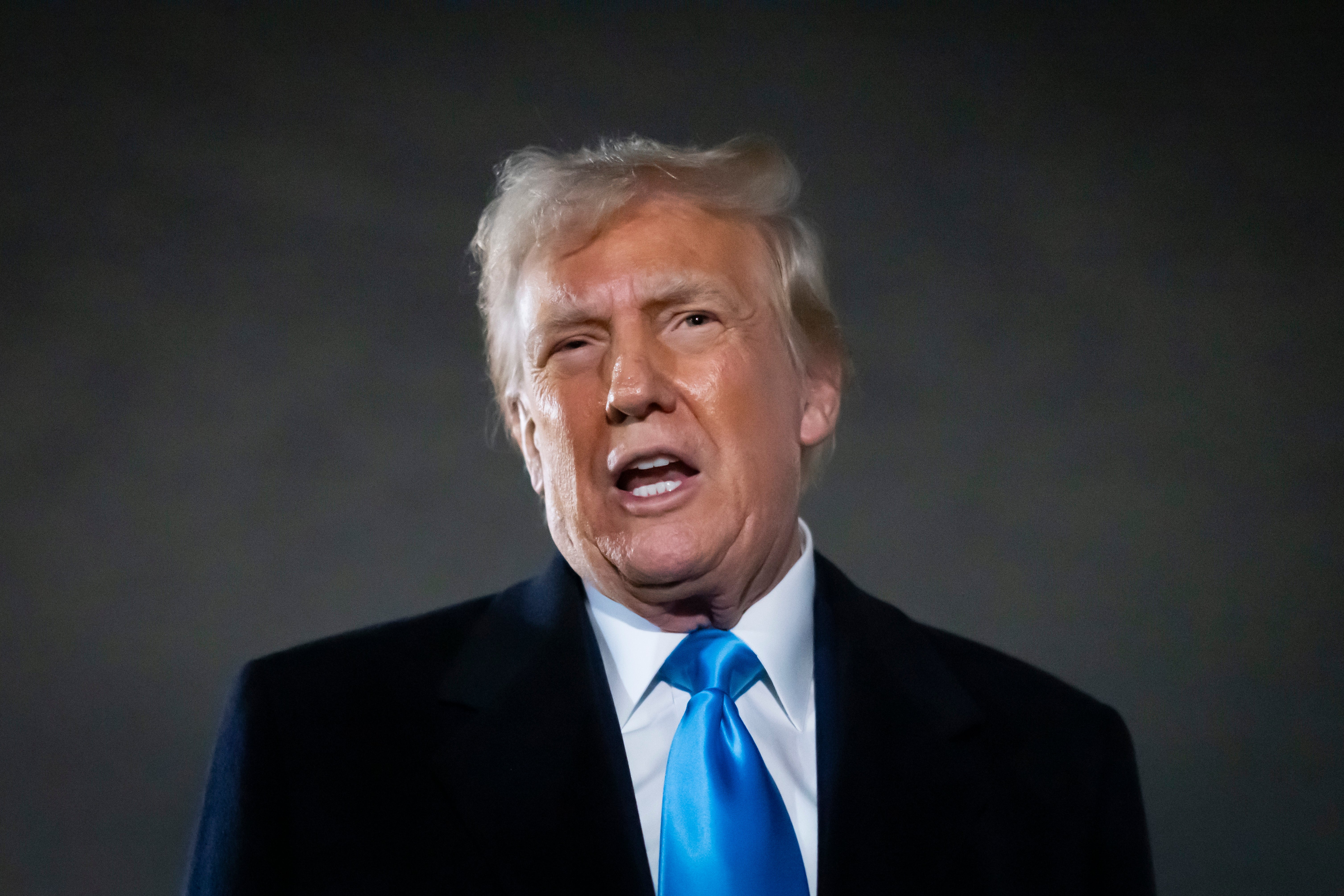
Chief Justice John Roberts, writing for the majority in Learning Resources, Inc. v. Trump, clarified that the president lacks the statutory standing to bypass Congress on tariff policy. The ruling directly challenges the foundation of the administration’s trade agenda, which has faced intense criticism for inflating costs for American families and businesses. Congressional analysis suggests the average household has shouldered over $1,700 in additional expenses since the start of the current White House term.
While the decision provides a potential path for corporate tariff refunds, the outlook for consumers remains grim. Alex Jacquez of the Groundwork Collaborative noted that any relief for ordinary families remains elusive, as companies are unlikely to pass savings down the supply chain. Despite the ruling, experts warn that the administration is already seeking alternative legal frameworks to maintain its protectionist stance. Lori Wallach of the American Economic Liberties Project pointed to Section 122 of the Trade Act of 1974 as a possible workaround, which could allow the president to impose significant tariffs under the guise of addressing trade deficits without the need for rigorous investigation.
Comments (0)
No comments yet. Be the first!