The survey results reveal that 57% of respondents believe the national economy is deteriorating, a sharp increase from 46% in February. Across the political spectrum, roughly half of all Americans report difficulty covering basic necessities like groceries and fuel. Gas remains a primary financial burden for 52% of those polled, even as global oil benchmarks have retreated from earlier peaks.
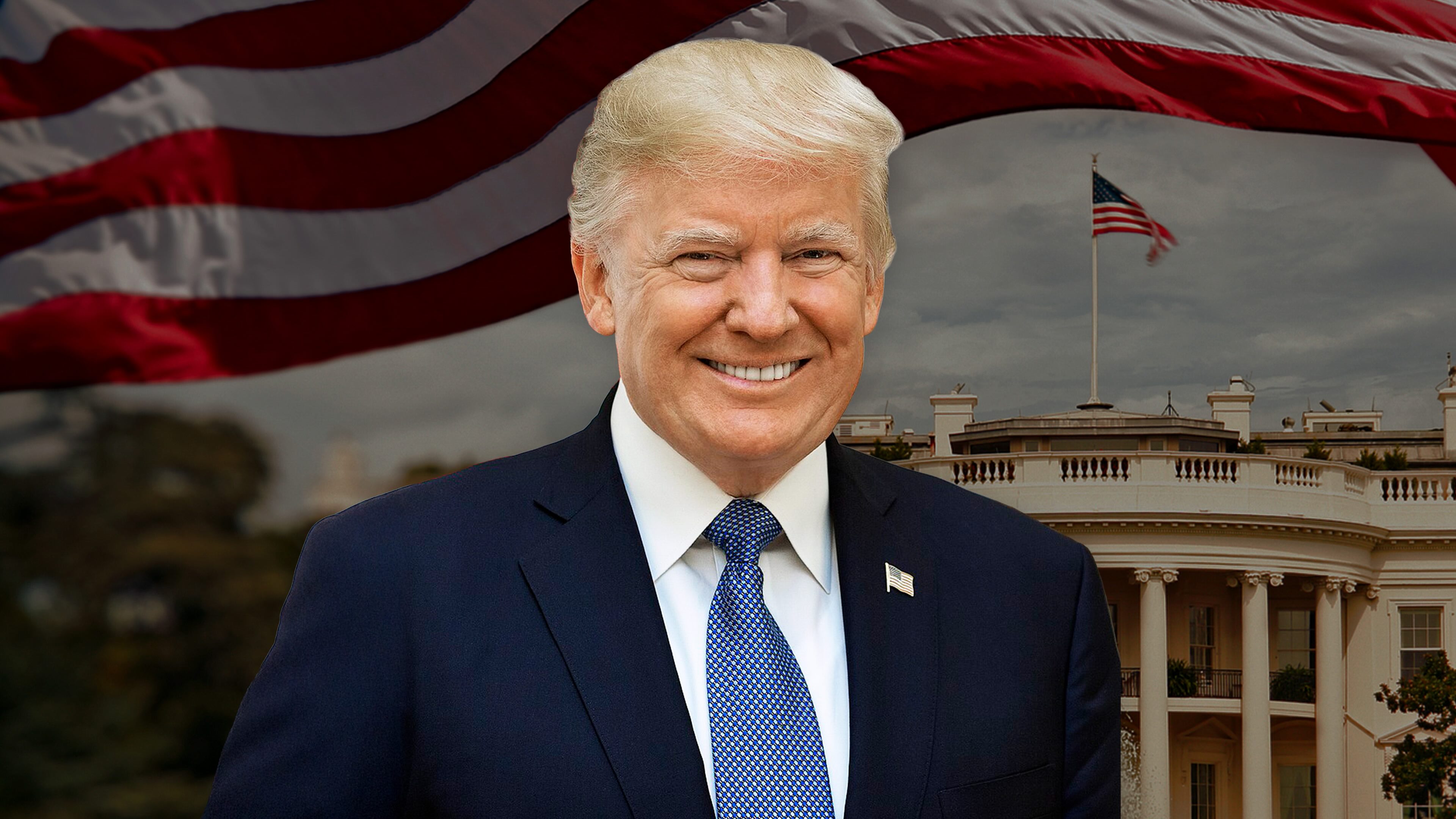
Public frustration centers on the administration’s handling of household economics. Two-thirds of voters, including nearly half of those identifying as Republican, expressed skepticism that President Donald Trump’s policies will improve their financial stability. Criticism has intensified following the president's dismissal of bipartisan housing legislation as a "big yawn" and his decision to terminate the SAVE student loan repayment program.
Economic pressure is further compounded by rising utility costs, which have climbed by an average of $110 per household over the past year. Analysts attribute these hikes to the removal of renewable energy tax credits and the rapid expansion of power-intensive artificial intelligence data centers. While the White House remains focused on military priorities, recent electoral successes by democratic socialist candidates—including New York City Mayor Zohran Mamdani—suggest a growing voter appetite for aggressive interventions like rent freezes, wealth taxes, and universal childcare programs. Lindsay Owens of the Groundwork Collaborative noted that these results signal a clear shift toward economic populism as families struggle to bridge the gap between stagnant wages and essential costs.
Comments (0)
No comments yet. Be the first!