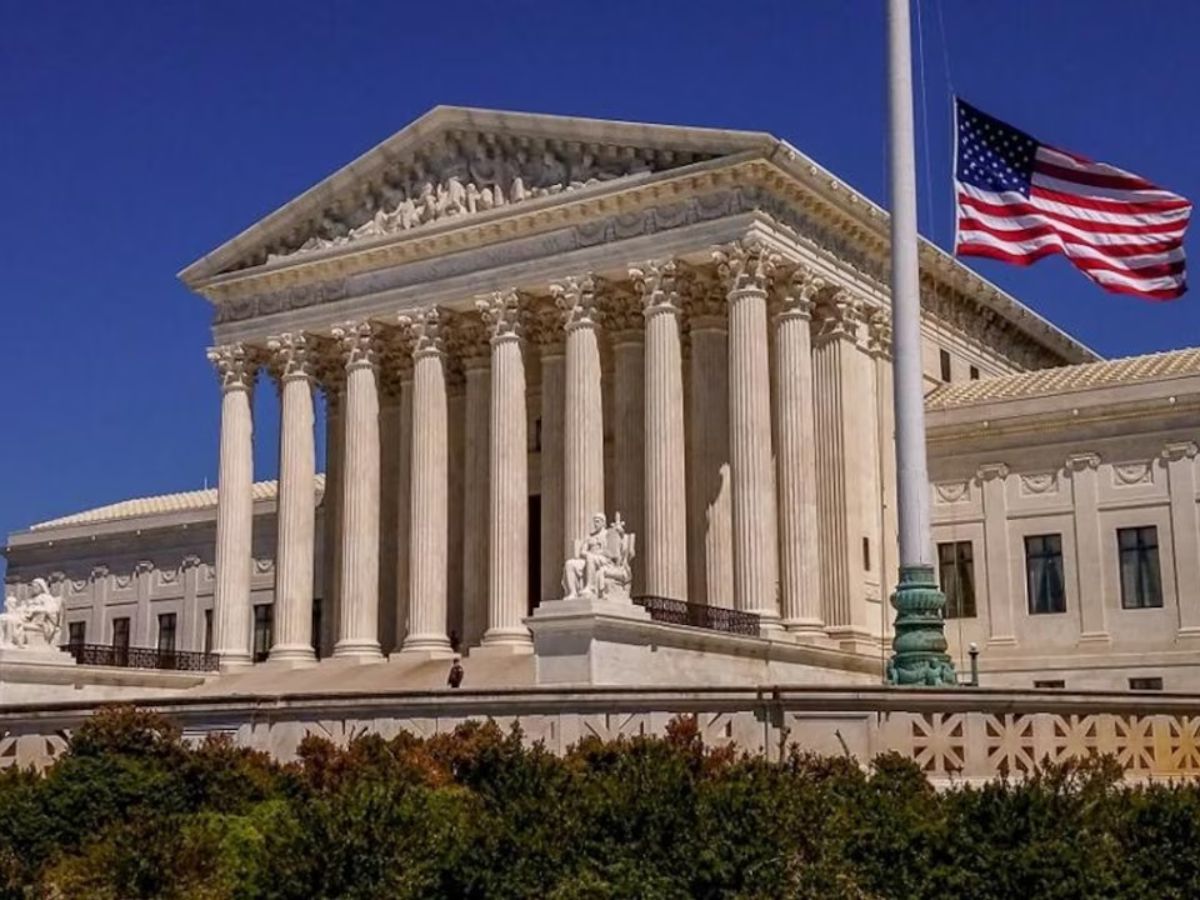
The justices ruled that using race to ensure fair representation for minority voters violates constitutional standards, even when that representation is intended to comply with Section 2 of the Voting Rights Act. Writing for the majority, Justice Samuel Alito argued that the federal mandate to prevent the dilution of minority voting power could not justify the state’s redistricting efforts. Justice Elena Kagan, in her dissent, characterized the decision as the final act in the court’s systematic demolition of the landmark civil rights law.
This ruling arrives after years of litigation in Louisiana, where a federal court previously ordered a new map to better reflect the state’s demographics—one-third of which are Black. By prioritizing the claims of non-Black voters who challenged the map, the court has signaled a significant shift that empowers Republican-led legislatures to reshape electoral boundaries. Advocates warn that the precedent set in Louisiana v. Callais will trigger a wave of aggressive redistricting nationwide, potentially allowing the GOP to secure additional congressional seats by eroding the influence of voters of color.
Comments (0)
No comments yet. Be the first!